Belmont Real Estate Guide
Belmont Homes For Sale
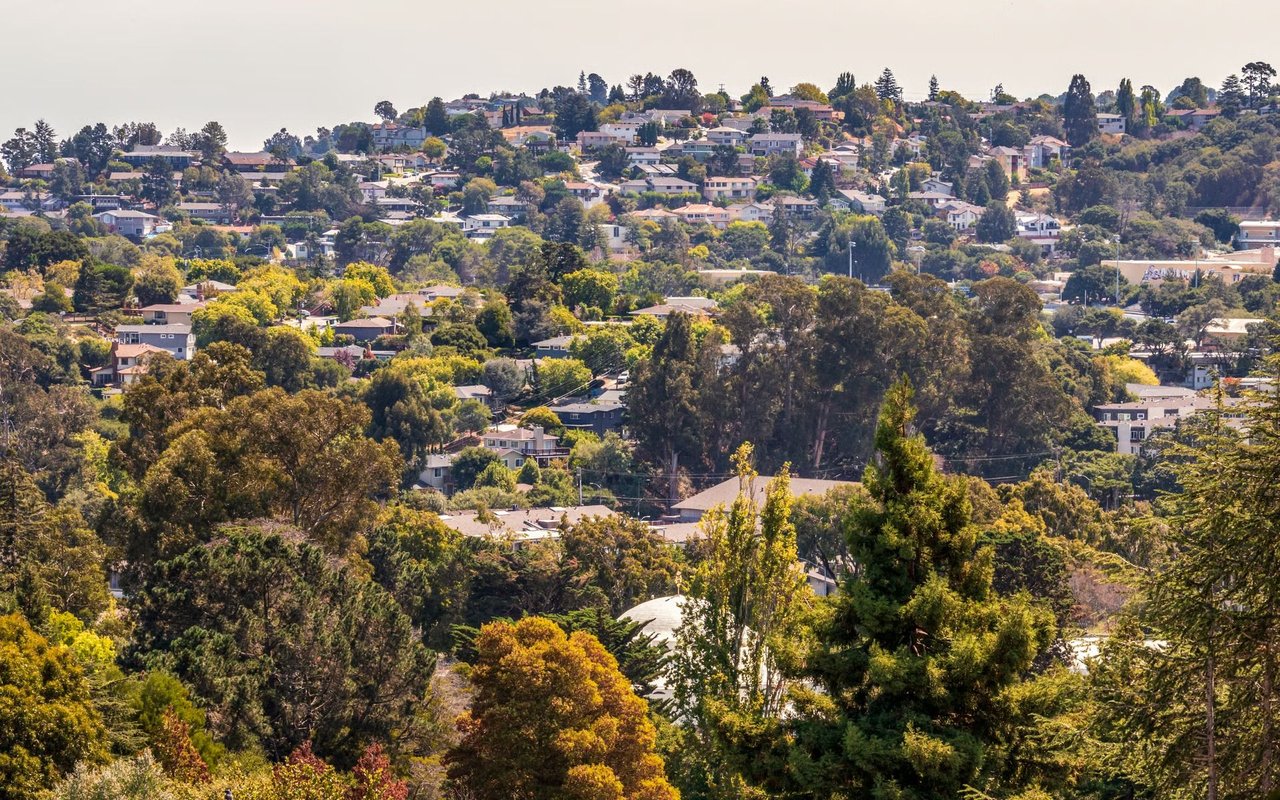
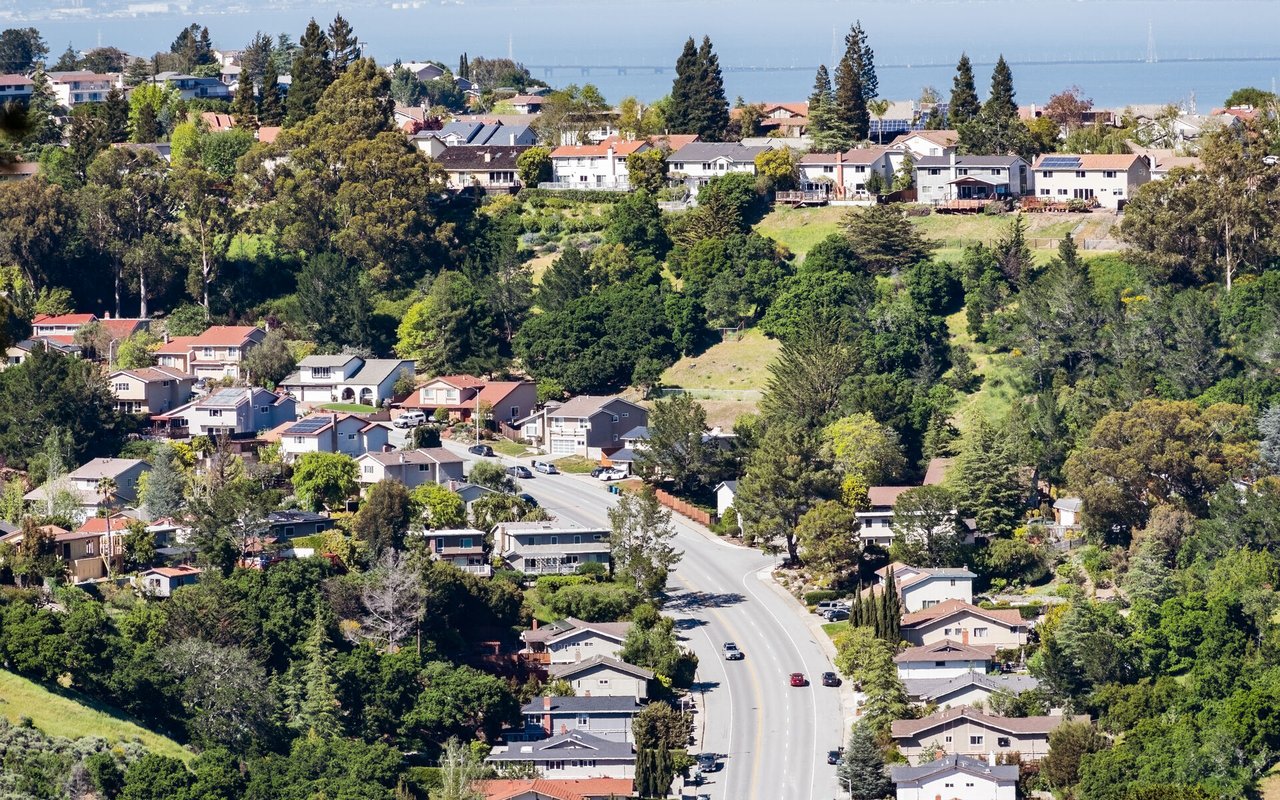
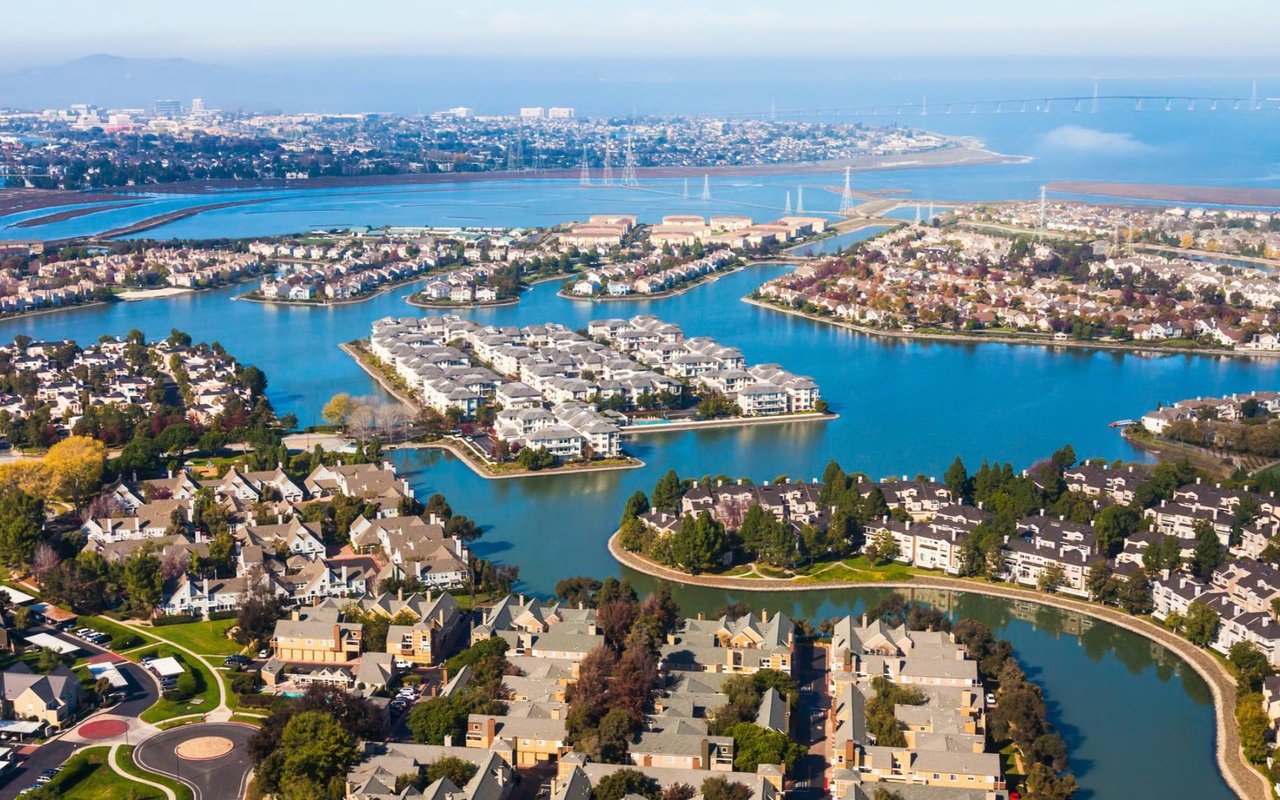
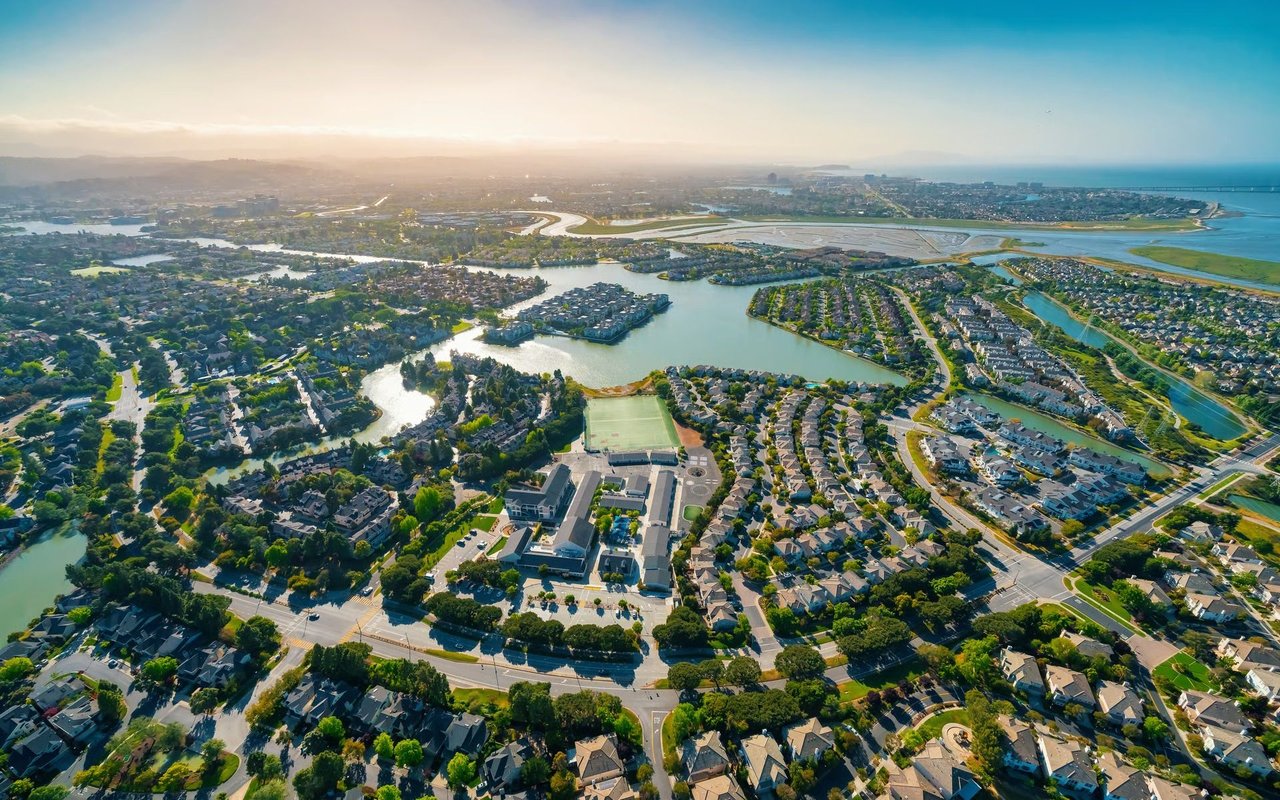
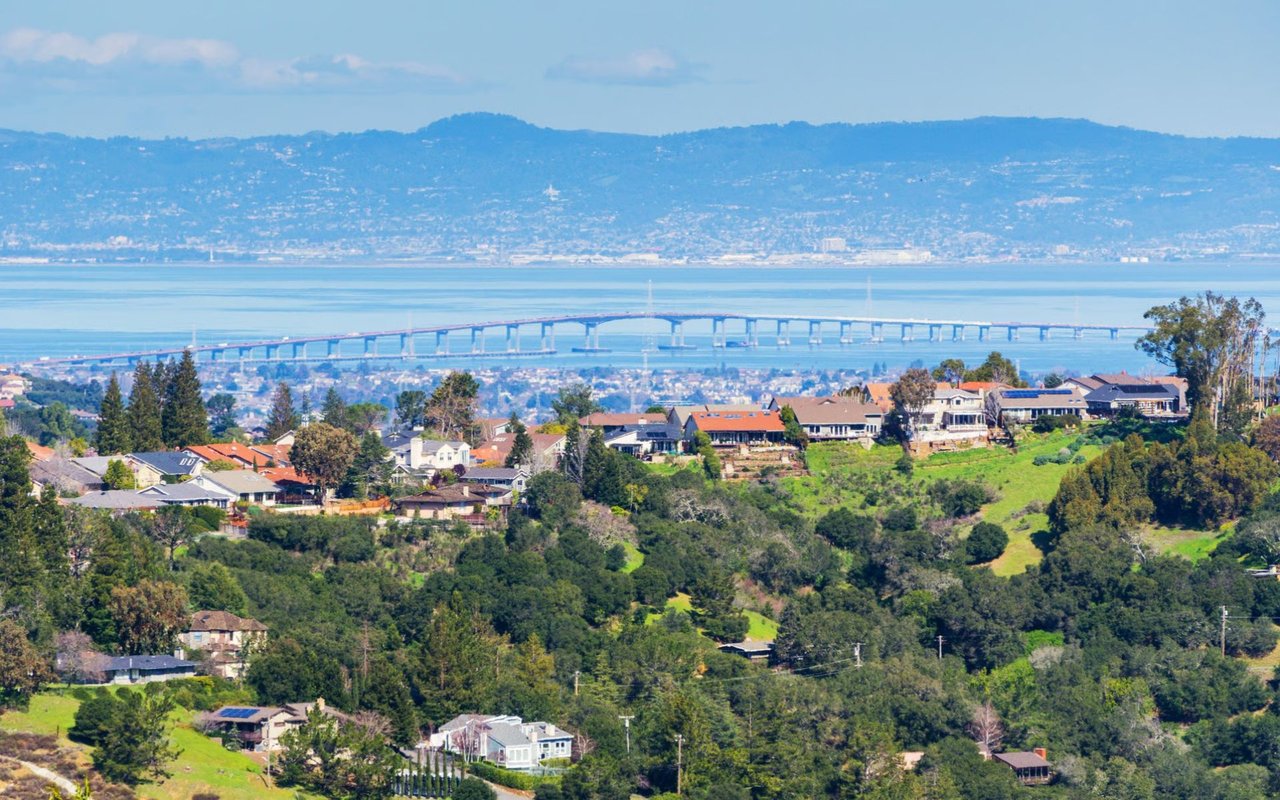
Belmont real estate is defined by the hills, and that's what makes this city unlike anything else in San Mateo County. While its neighbors spread out across the flats toward the Bay, Belmont climbed into the western hills, and that decision gave the city an identity unlike anything else in San Mateo County. The name itself comes from the Italian "bel monte" (beautiful mountain), and it fits. Hillside homes peek through oaks and pines, winding residential lanes replace grid-pattern streets, and views stretch from the Bay to San Francisco's skyline. With a population of about 27,500, Belmont is smaller and quieter than neighboring San Mateo or San Carlos, but it has strong schools, good commuter access, and a real estate dollar that stretches a bit further than in some surrounding cities.
What to Love About Belmont
- Hillside homes with sweeping Bay views and a wooded, private feel that you won't find in other Peninsula cities
- Waterdog Lake and Open Space Park, a 150-acre preserve with trails and a lake right in town
- Twin Pines Park, a 10-acre community gathering space with playgrounds, picnic areas, a historical society, and summer concerts
- Strong schools, including Carlmont High School (ranked among the top public high schools in San Mateo County, with a 98% graduation rate)
- 14 parks and 337 acres of open space for hiking, biking, and running
- A year-round Sunday Farmers' Market with fresh produce, baked goods, and live entertainment
- Notre Dame de Namur University campus (recently acquired by Stanford) adds a collegiate feel
- Caltrain station downtown, plus easy access to both Highway 101 and I-280
Real Estate and Homes
Belmont's housing stock is heavily shaped by its terrain. Flatter areas near downtown have smaller, older homes on walkable streets. As you move west into the hills, homes get larger, lots get more irregular, and views open up. The architectural variety is one of Belmont's strengths: you'll see everything from 1920s cottages to mid-century ranches to modern glass-and-steel hillside estates.
Carlmont: The neighborhood closest to downtown Belmont, sharing a border (and a name that combines "San Carlos" and "Belmont") with the city to the south. This is the most walkable part of town, with sidewalks and easy access to the Carlmont Village Shopping Center. Housing ranges from century-old homes on large lots to modern builds. Twin Pines Park and the Charles Armstrong School (well-known for serving dyslexic students) are both here.
Hallmark: Widely considered Belmont's premier neighborhood. Located in the hills, Hallmark has wide streets with sidewalks, very little through-traffic, and homes that typically start around 2,200 square feet. The views are the main draw: sweeping vistas of the western hills, the Bay, the San Francisco skyline, and (on many mornings) Karl the Fog rolling in. Fox Elementary, Ralston Middle School, and Carlmont High School all serve this area.
Belmont Woods: Home to both the city's most desirable subdivision (Hallmark) and its largest collection of apartment buildings. Also contains Waterdog Lake and Open Space Park. The Hallmark homes, built from the 1960s onward, sit at the top of the market. The apartment complexes along Carlmont Drive and Lake Road offer a more affordable entry point.
Antique Forest Homes: Near Notre Dame de Namur University, with homes built in the 1940s and 1950s on hilly terrain. Some properties have outstanding Bay views, but flat lots are rare. Central Elementary School, one of the best-rated elementary schools in the area, is located here.
Belmont Country Club: Ranch-style and split-level homes from the 1950s and 1960s. More green space and a slightly more open feel than the denser neighborhoods closer to downtown.
Bayview Heights: One of Belmont's oldest neighborhoods, with development dating to the late 1920s. Originally part of an ambitious (and ultimately abandoned) plan to build a working harbor in Belmont. The homes here tend to be smaller (original deed restrictions limited size to 1,200 square feet), but the neighborhood has strong historical character.
| Feature |
Carlmont (Downtown) |
Hallmark (Hills) |
| Vibe |
Walkable, accessible, varied housing |
Quiet, private, view-oriented |
| Homes |
Cottages to modern builds, 900-2,000+ sq ft |
Larger homes, 2,200+ sq ft, 1960s-present |
| Views |
Limited (some Bay views higher up) |
Sweeping Bay and hill panoramas |
| Schools |
Central Elementary, Ralston, Carlmont High |
Fox Elementary, Ralston, Carlmont High |
| Trade-offs |
Smaller lots, more density |
Farther from shops and transit |
Local Tip: Belmont's hilly terrain means that two homes a block apart can have completely different views, sun exposure, and lot configurations. Always visit in person, and pay attention to how the sun hits the property at different times of day.
Lifestyle and Local Highlights
Dining and Shopping
Unlike Burlingame or San Carlos, Belmont doesn't have a concentrated downtown dining strip. Restaurants and retail are spread across the city, with clusters at the Carlmont Village Shopping Center and along El Camino Real. The result is a quieter commercial scene, but you're never far from a good meal in neighboring San Carlos (Laurel Street) or San Mateo (downtown).
Carlmont Village Shopping Center is the city's primary retail hub, with grocery stores, casual restaurants, and everyday services. The Belmont Farmers' Market happens every Sunday, rain or shine, in the South Caltrain Parking Lot from 9 a.m. to 1 p.m.
Schools
Belmont is served by the Belmont-Redwood Shores School District (K-8) and the Sequoia Union High School District. The district includes six elementary schools (Cipriani, Central, Fox, Redwood Shores, Sandpiper, and Nesbit) and Ralston Middle School, a California Distinguished School. Carlmont High School is the primary public high school, consistently ranked among the top 30 in California with an A-plus rating from Niche.
Notre Dame de Namur University, a historic Catholic institution, was recently acquired by Stanford University, which plans to use it as a satellite campus. Notre Dame High School, an all-girls Catholic high school on the same campus, draws students from across the Peninsula.
The Charles Armstrong School, located in the Carlmont neighborhood, is one of the region's most respected independent schools for students with dyslexia.
Outdoors and Recreation
This is where Belmont stands apart from every other mid-Peninsula city. The hills and open space are the main attraction.
Waterdog Lake and Open Space Park: A 150-acre preserve with a network of trails surrounding a lake. It's pet-friendly (as the name hints), and the trails offer views of the canyons and surrounding hills. A favorite for runners, hikers, and dog owners.
Twin Pines Park: Belmont's central gathering place. Ten acres with two playgrounds, picnic and BBQ areas, nature trails, the Twin Pines Art Center, the Belmont Historical Society, City Hall, and the Senior and Community Center. The park hosts summer concerts in the meadow, the Hungarian Heritage Festival, art fairs, and community events throughout the year.
McDougal Park: Just outside the Carlmont neighborhood, with a ballfield, basketball court, playground, and picnic area.
The Carlmont Performing Arts Center houses a main stage and a smaller Studio Theatre for local productions.
Commute and Access
Belmont has a downtown Caltrain station, providing direct rail service to San Francisco and San Jose. Highway 101 runs along the eastern edge of the city, and I-280 is accessible from the western neighborhoods. This dual-highway access is a genuine advantage: commuters heading north to San Francisco or south to Palo Alto and Mountain View can choose the faster route on any given day.
The city sits about equidistant from San Francisco and Silicon Valley's core (roughly 20 miles in each direction), making it a practical choice for households with split commutes.
Community Events
- Belmont Farmers' Market: Every Sunday, year-round, with produce, artisanal vendors, baked goods, florists, and live entertainment
- Summer Concerts in Twin Pines Meadow: Weekly outdoor performances featuring different musical acts
- Santa at the Firehouse: A community holiday tradition
- Easter Egg Hunts and seasonal events organized by the city throughout the year