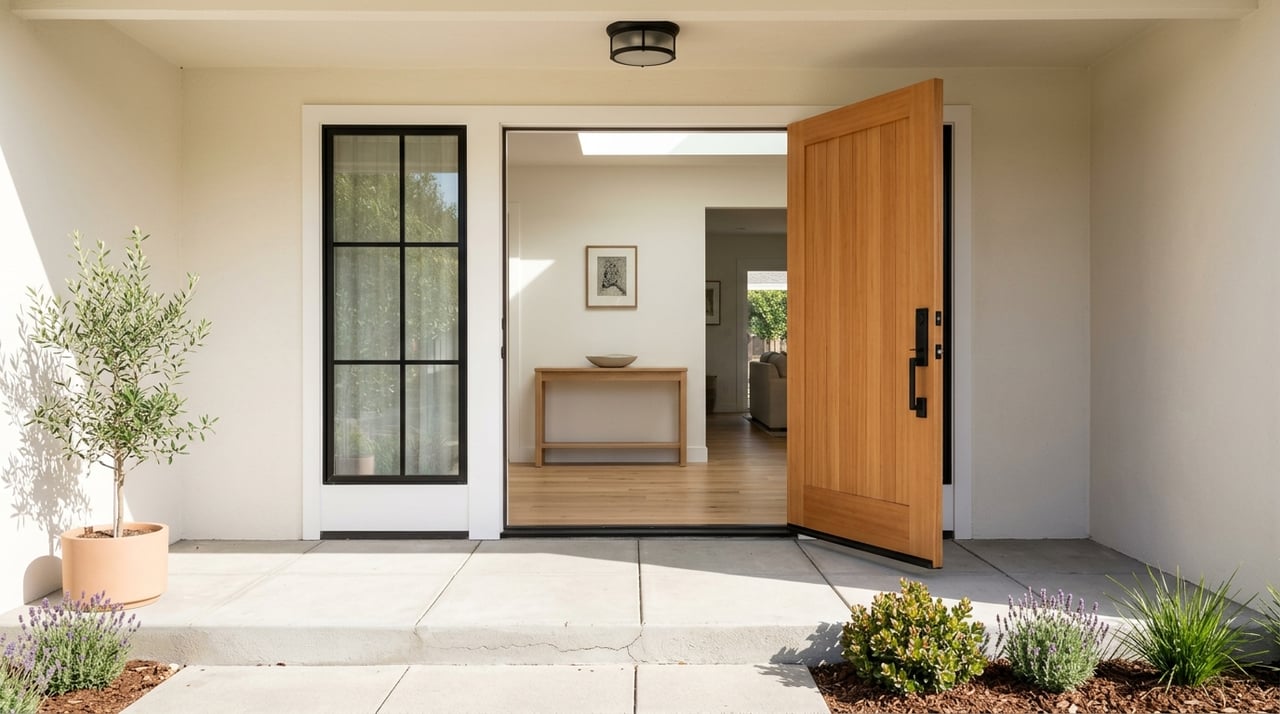
Selling an estate property can feel overwhelming, especially when you are balancing legal steps, family logistics, and the emotions that often come with a home sale. If you are preparing an estate home sale in San Carlos, the good news is that a clear plan can reduce delays and help you avoid costly mistakes. Below, you will find the key decisions, timelines, and local details that matter most before the home goes on the market. Let’s dive in.
Start With Legal Authority
Before you clean, repair, or price the home, confirm who has the legal authority to act. In California, the person named in a will usually serves as executor, but if there is no will or that person cannot serve, the court may appoint a personal representative based on a legal priority order.
That authority does not become effective just because someone is named in a document. In a probate matter, the appointment generally becomes effective when the court issues letters. Until that point, it is important not to assume you can sign listing or sale documents.
Probate may not always be required
Not every estate home sale in San Carlos goes through full probate. California allows some property transfers to happen through other paths, including a trust, joint tenancy, transfer-on-death arrangements, and certain simplified procedures.
For some main homes, a 2025 change raised the simplified real-property limit to $750,000. That can make a major difference for families trying to decide whether a full court process is necessary.
Understand the probate timeline
If formal probate is required, you should plan for a longer process than a standard sale. California Courts says formal probate generally includes opening the case, administering the estate, and closing it, and it usually takes 9 to 18 months.
That timeline matters because it affects everything from listing strategy to family expectations. It also helps explain why estate transactions often move more slowly than a typical San Carlos resale.
Confirm How the Sale Must Be Approved
Once authority is clear, the next question is how much court involvement the sale will require. In California, whether the property needs court confirmation depends on the authority granted in the letters and the court order.
Some personal representatives may receive independent power to sell real property, which can reduce court supervision. In other situations, court confirmation may still be required before the sale can move forward.
Why this matters before listing
This issue affects timing, buyer expectations, and how you prepare the property for market. If court confirmation is required, buyers need to understand that the sale process may involve additional steps after an offer is accepted.
Knowing the approval path early can help you set a realistic schedule and avoid confusion once showings begin.
Prepare the Home Carefully
Estate homes often need clearing out, light improvements, or both. The goal is to make the property market-ready without creating permit, disclosure, or cleanup problems that could slow escrow.
In San Mateo County, reuse and donation are encouraged before disposal. Single-family homeowners may also be eligible for free bulky-item pickups through their hauler, and there are local disposal options such as Shoreway Environmental Center in San Carlos and the Blue Line Transfer Station in South San Francisco.
Dispose of items the right way
Hazardous materials need special handling. San Mateo County’s Household Hazardous Waste Program is a free residential service for items such as paint, batteries, chemicals, automotive supplies, poisons, and similar materials.
It is worth taking this step seriously. San Mateo County warns that illegal dumping and littering can bring fines of up to $3,000.
Know which repairs may need permits
Many sellers assume small updates are always simple, but permit rules still matter. San Carlos says many cosmetic or minor items are permit-exempt, including painting, papering, tiling, carpeting, cabinets, countertops, replacement toilets, and some minor electrical or plumbing repairs.
At the same time, concealed pipe replacement and larger remodel work are treated differently. If you are considering more than surface-level improvements, it is smart to verify permit requirements before work begins.
Older homes may need lead-related attention
If the home was built before 1978, separate lead-based paint disclosure rules may apply. Known lead hazards and lead-safe work practices can become part of the sale preparation process.
This is one more reason not to rush renovation work before confirming what is legally required. In an estate sale, doing less but doing it correctly is often the safer path.
Gather Disclosures and County Forms Early
One of the most common estate-sale mistakes is waiting too long to collect paperwork. Even when a transaction qualifies for certain probate-related exemptions, that does not mean every disclosure issue disappears.
California law exempts sales ordered by a probate court from the standard Transfer Disclosure Statement and the Natural Hazard Disclosure Act. But the law also makes clear that a transaction not subject to the Natural Hazard Disclosure article may still be subject to other disclosure requirements.
Verify the exact disclosure package
The practical takeaway is simple: the disclosure package should be verified for the specific San Carlos transaction. Estate sales can vary depending on whether the transfer is court-ordered, handled through a trust, or structured another way.
Getting clarity early helps avoid last-minute document problems after a buyer is already in escrow.
Do not overlook the change-of-ownership statement
For real property subject to probate, the personal representative must file a change-of-ownership statement with the county recorder or assessor in each county where the decedent owned property. The form must be filed before or when the inventory and appraisal is filed.
In non-probate death transfers, the statement is due within 150 days after death. Missing that deadline can create unnecessary complications.
Plan for Tax and Timeline Issues
Estate home sales involve more moving parts than many families expect. Beyond legal authority and home preparation, tax timing and county reassessment issues should be part of the planning conversation before the home is listed.
California Courts notes that the inventory and appraisal is generally due within four months after letters first issue. That schedule can shape when you are realistically ready to market the property.
Property taxes may continue after closing
In San Mateo County, a sale can trigger reassessment and lead to supplemental or escape property tax bills after escrow closes. These bills may arrive weeks, months, or even years later.
That means the estate should not assume the closing statement is the final tax-related document. It is important to keep the mailing address current and continue monitoring incoming mail after the sale is complete.
Basis questions should be resolved early
For inherited property, tax basis is often tied to fair market value at death, though the exact calculation can vary based on the facts. Because basis can affect how sale proceeds are understood and reported, families should resolve that question before major pricing or allocation decisions are finalized.
For many estate sales, this is one of the most important behind-the-scenes planning steps. A little clarity early can prevent confusion later.
Build a Realistic San Carlos Sale Plan
A smooth estate home sale usually comes from sequencing decisions in the right order. Start with authority, confirm the transfer path, understand the approval process, then move into cleanup, paperwork, and pricing.
In a market like San Carlos, presentation still matters, but timing and legal clarity matter just as much. Rushing to list before the estate is truly ready can create delays that are harder to fix once buyers are involved.
A practical checklist
- Confirm who has authority to act
- Determine whether probate is required
- Clarify whether court confirmation will be needed
- Review cleanup and disposal options
- Check permit rules before repairs
- Gather disclosures and county filings early
- Prepare for reassessment and follow-up tax bills
- Build a listing timeline around the estate process
If you are preparing an estate home sale in San Carlos, the best next step is often a local, property-specific conversation. With the right plan, you can protect the estate, reduce avoidable delays, and position the home for a stronger market launch. For guidance tailored to your situation, reach out through Bob Bredel - Main Site.
FAQs
Do you need probate to sell an estate home in San Carlos?
- Not always. A San Carlos property may avoid formal probate if it transfers through a trust, joint tenancy, transfer-on-death setup, or another qualifying simplified procedure.
How long does probate take for an estate sale in California?
- California Courts says formal probate usually takes 9 to 18 months, although simpler transfer methods can move faster.
Which repairs are permit-exempt for a San Carlos estate home sale?
- San Carlos says many cosmetic items are permit-exempt, including painting, tiling, carpeting, cabinets, countertops, replacement toilets, and some minor electrical or plumbing repairs, but larger or concealed work should be checked first.
What cleanup options are available for an estate property in San Mateo County?
- Reuse and donation are encouraged first, and single-family homeowners may qualify for free bulky-item pickup. Local disposal options include Shoreway Environmental Center in San Carlos, Blue Line Transfer Station in South San Francisco, and the County’s free Household Hazardous Waste Program.
Can property tax bills arrive after an estate home sale closes in San Mateo County?
- Yes. San Mateo County says reassessment can lead to supplemental or escape tax bills after escrow closes, sometimes well after the sale is complete.