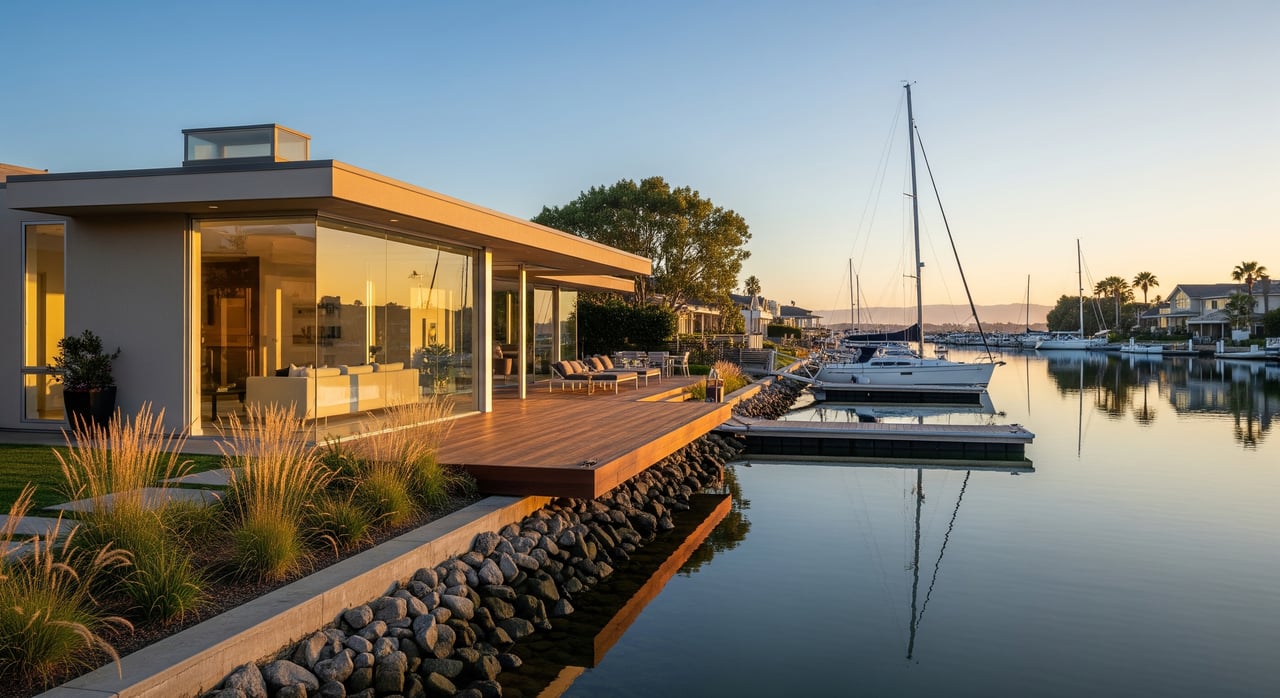
Thinking about a home right on the water in Foster City? The lagoons are beautiful and active, but they also come with rules, costs and a few environmental realities that are different from a typical suburban block. If you understand how HOAs, docks, boating rules, winds and tides work here, you can buy with confidence and enjoy the lifestyle from day one. This guide breaks it all down so you know what to expect before you write an offer. Let’s dive in.
Foster City’s lagoons at a glance
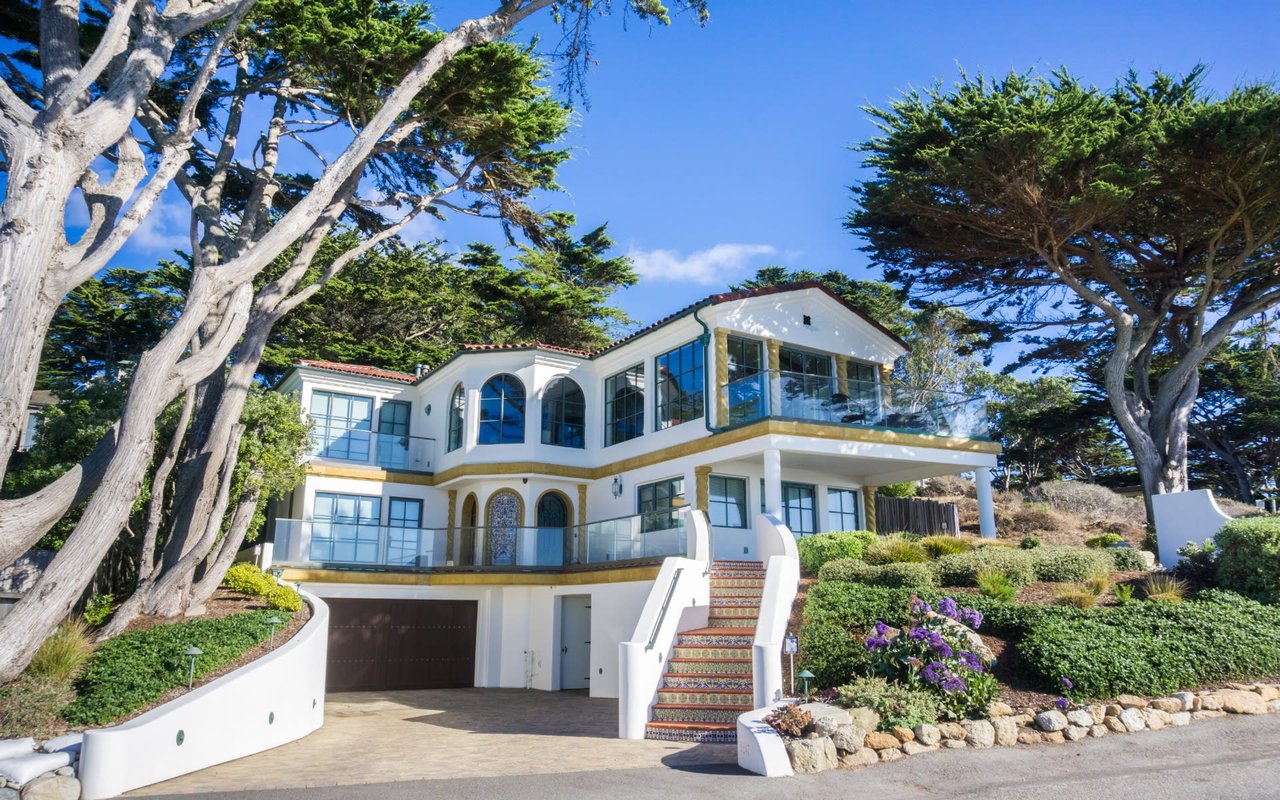
Foster City was designed around engineered lagoons along San Francisco Bay. Many homes and townhomes sit on bulkheads that meet the water, and some communities include shared docks or slips. Public shoreline paths and parks sit alongside private waterfronts, so access varies by parcel and by HOA.
Ownership along the water is a mix. Some edges are privately owned by individual lots, while others are held by HOAs as common areas. Because the lagoons connect to the Bay through inlets and gates, boating activity and tidal changes influence daily life on both private and shared waterfronts.
Expect a wide range of property types. You will see single-family homes with yard-to-water bulkheads, condo and townhome communities with shared edges, and membership marinas or yacht clubs managed separately from residential HOAs.
What HOAs handle and what you pay
Typical waterfront HOA responsibilities
- Inspecting, repairing and replacing bulkheads, seawalls and other retaining structures.
- Operating and maintaining shared docks, slips, lifts, gangways and ramps.
- Caring for lighting, landscaping and stormwater features along the lagoon edge.
- Managing common-area insurance for waterfront structures and liability.
- Handling permits and environmental compliance like silt control or habitat protections.
Dues, reserves and insurance
Dues often reflect waterfront infrastructure costs. Aging bulkheads, dredging or debris removal, insurance premiums and environmental permits can drive fees. Healthy reserves matter, since underfunded reserves can lead to special assessments when major repairs are needed.
Your HOA’s policies typically cover common areas, but you may still need separate flood insurance, depending on your lender and flood zone. Rising maintenance and insurance costs are a common reason fees increase over time in waterfront communities.
Rules that shape daily life
HOA governing documents usually set rules for boat types, motor sizes, speed limits, hours of use, fishing and guest mooring. You may need approval for dock modifications or private installations, and rules often include fines or loss of privileges for violations. Review CC&Rs, bylaws and house rules before you commit.
Legal framework to know
California’s common-interest development law, known as the Davis–Stirling Act, sets standards for budgets, reserves, disclosures and owner rights. The City of Foster City regulates shoreline construction and public works, and some projects that interact with tidal waters can require state or federal permits.
Docks, slips and boating access
How docks and slips are assigned
Some single-family properties have private docks. Many condo or townhome communities provide assigned slips or shared docks. Before you buy, confirm whether a slip is deeded, leased or assigned by the HOA, whether there is a waitlist or transfer fee, and how the HOA handles guest boats.
Ask who pays for dock repair, replacement and utilities at the slip. Clarify insurance responsibilities for any dock or electrical service serving your boat.
Permits and approvals
New dock construction or significant reconstruction typically requires city review. Because the lagoons connect to San Francisco Bay, some projects can also require regional or federal approvals. Environmental constraints like wetlands protections or eelgrass can affect timing and cost.
Boating rules and safety
Expect speed limits, no-wake zones and motor size limits within the lagoons. State law sets boat registration and safety gear requirements. Foster City coordinates water safety with county and regional services, and some HOAs maintain emergency procedures for their water areas.
Practical day-to-day issues
Floating vegetation and debris sometimes gather and may require removal. Water-quality advisories can occur and may limit access during certain events. Policies for long-term guest mooring and renter use vary by HOA, so check the rules if you plan to host visitors or rent out your home.
Recreation, paths and everyday conditions
Paddle sports and where to launch
Kayaking, stand-up paddleboarding and small sailing craft are popular thanks to generally sheltered waters. You can launch directly from a private yard, a community ramp or public access points that allow it, depending on local rules. Even in calm lagoons, wear a life jacket and stay aware of boat traffic and currents near inlets.
Paths and shoreline access
Neighborhood promenades and the Bay Trail create extensive walking, jogging and cycling routes along the water. These paths add convenience and appeal, and they also bring regular activity near some waterfront homes. Consider how close you want to be for privacy and noise.
Wind, tides and microclimate
Onshore westerly winds often strengthen in the afternoon in the Bay Area. Development around the lagoons moderates wind in many spots, but breezes can be stronger near inlets and bridge corridors. Mornings are typically calmer for paddling, while small sailboats and windsurfers often prefer breezier periods near lagoon outlets.
Flooding, tides and long-term risk
Tidal influence and surge
Because the lagoons are connected to San Francisco Bay, tides and seasonal storm surges can change water levels. These swings can affect dock clearances and shoreline drainage during the year.
Sea-level rise and future costs
Sea-level rise is a regional concern that can increase nuisance flooding and stress bulkheads and drainage systems. Over time, this can influence HOA capital projects, reserve planning and insurance availability. Build this into your long-term budget and review reserve studies closely.
Insurance and flood maps
Parts of Foster City are low-lying on filled marshland. You should check current FEMA flood maps and ask your lender about flood insurance requirements. Also ask sellers or HOAs about historical flooding, recent claims and any ongoing city flood-protection projects.
Buyer due diligence checklist
- Confirm who owns and maintains the dock, bulkhead and shoreline for the property.
- Determine whether the dock or slip is deeded, leased or assigned, and ask about waitlists or transfer fees.
- Review the HOA’s CC&Rs, rules, budgets, meeting minutes and reserve studies for at least the last 3 to 5 years.
- Ask about recent or upcoming special assessments for bulkheads, docks or dredging.
- Verify permits for existing docks or shoreline work, and check for any open compliance issues.
- Check flood zones on FEMA maps, and confirm whether flood insurance is required or recommended by your lender.
- Ask about water-quality advisories, seasonal closures and debris removal practices.
- If you plan to moor a boat, measure the slip and confirm electrical and water service and who pays for utilities.
- Understand emergency and storm procedures for the HOA and how the city coordinates water-related incidents.
How to think about value
Waterfront living in Foster City offers unique lifestyle benefits, from step-out-the-door paddling to shoreline paths right outside your home. It also brings specialized costs, rules and environmental factors you should understand upfront. If you balance the amenities with a solid review of HOA health, flood exposure and dock rights, you can protect your budget and enjoy the water for years to come.
If you want a clear read on a specific property’s HOA documents, dock rights and flood considerations, reach out for a local consultation. Call Bob or connect through Bob Bredel - Main Site to get started.
FAQs
What makes Foster City waterfront different from oceanfront housing?
- The lagoons are engineered and connected to San Francisco Bay, so HOAs play a major role in bulkheads, docks and rules, with tidal influence but generally sheltered waters.
How do HOAs affect monthly costs for lagoon-front homes?
- Dues reflect waterfront infrastructure, including bulkhead upkeep, debris removal, insurance and permits, and reserves. Underfunded reserves can lead to special assessments.
Do you need permits to build or modify a dock in Foster City?
- Yes, city review is typical, and because the lagoons connect to the Bay, some projects may also require state or federal approvals, especially near sensitive habitats.
Are paddle sports safe in the lagoons, and when is it calmest?
- Conditions are generally sheltered, but wear a life jacket and watch for boat traffic and inlets. Mornings are typically calmer than afternoons.
How do tides and sea-level rise affect daily living on the lagoons?
- Tides and seasonal surges can change water levels and dock clearances, and long-term sea-level rise can increase maintenance needs, influence reserves and affect insurance.
What should you verify about a slip before buying a waterfront unit?
- Confirm whether the slip is deeded, leased or assigned, ask about waitlists and fees, and clarify maintenance, insurance and utility responsibilities.