San Carlos Real Estate & Property Tax Analysis
Understanding Proposition 13 and San Carlos School Funding
California Proposition 13 caps property taxes at 1 percent of assessed valuation with a 2 percent annual inflation limit. Although median San Carlos single-family home prices average $2,250,000 as of 2026, generating over $22,500 in annual property taxes per new home purchase, the San Carlos School District receives a fixed pre-1978 revenue allocation percentage, relying primarily on State of California revenue limits rather than local property tax growth.
Evaluating San Carlos School Boundaries and Property Values?
Explore San Carlos neighborhood guides, analyze property tax implications, or request a custom home valuation report with local market guidance.
Tax & School Metric | San Carlos System Details (2026) |
|---|---|
Base Property Tax Rate | 1.00% of assessed cash value (plus local voter-approved bonds) [1] |
Annual Assessment Increase Cap | Maximum 2.00% or CPI growth rate per year [2] |
School District Classification | Revenue Limit District (State Budget Funded) [3] |
Pre-1978 Frozen Disbursement Rate | Permanently locked percentage set during low enrollment era [4] |
Primary Local School District | San Carlos School District (SCSD, K-8) [5] |
Sources: California Board of Equalization Proposition 13 Guidelines; San Mateo County Assessor Annual Property Tax Reports; San Carlos School District Financial Audits.
Historical Context & Original Feature
How the 1978 Tax Revolt Shaped San Carlos Education
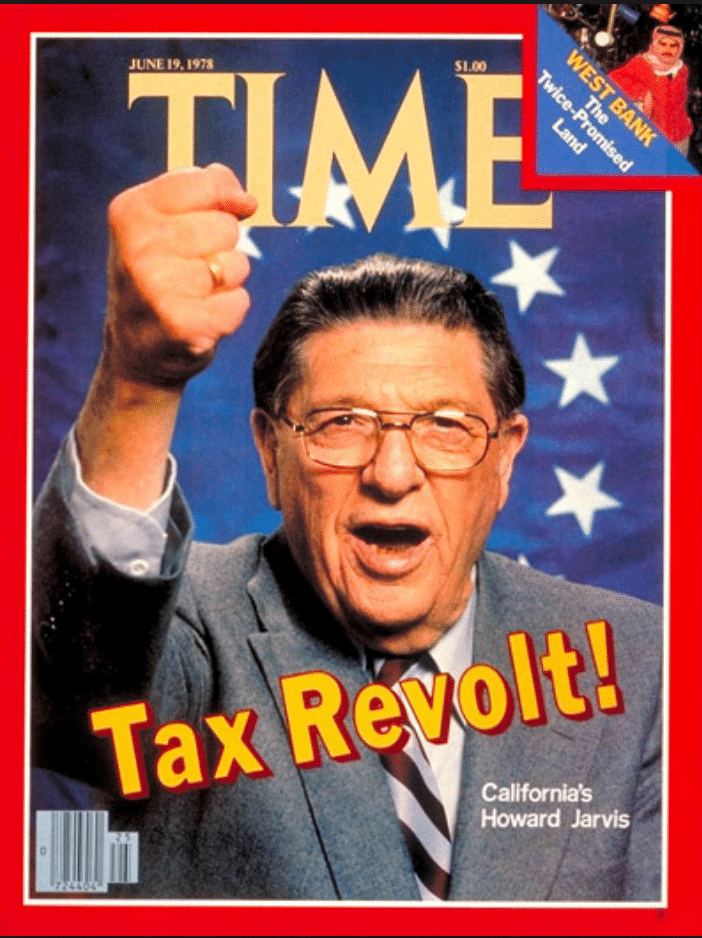
In June 1978, California voters approved Proposition 13, amending the California Constitution to restrict local property tax increases[cite: 1]. Known historically as the Taxpayer Revolt, the legislation limited property taxes to 1 percent of full cash value and capped annual assessment increases at 2 percent[cite: 1]. While this measure successfully shielded long-term homeowners from steep tax jumps during periods of rapid real estate appreciation, it created enduring financial consequences for public school funding across San Mateo County[cite: 1].
Prior to 1978, San Carlos operated as a blue-collar industrial and residential community in south San Mateo County[cite: 1]. Facing declining student enrollment during the 1970s, the city closed several elementary schools and allocated a relatively low percentage of property tax revenue toward education[cite: 1]. When Proposition 13 froze local tax disbursement formulas permanently, San Carlos became locked into that historical low allocation rate[cite: 1].
Four Core Structural Pillars
Mechanics of Proposition 13 and School Funding Models
1 Percent Rate Cap
Proposition 13 restricts the general property tax rate to 1 percent of a home's assessed value at time of purchase, restricting local municipalities from raising general tax percentages[cite: 1].
Pre-1978 Allocation Lock
Disbursement ratios between city government, county services, and public school districts remain legally frozen based on municipal spending patterns established before 1978[cite: 1].
Serrano v. Priest Framework
Following California Supreme Court equity rulings, school districts selected either state revenue limit funding or local Basic Aid self-funding status based on local tax capacity[cite: 1].
Basic Aid Comparison
Districts like Palo Alto Unified retained high pre-1978 tax disbursement ratios, qualifying as Basic Aid districts that keep all local property taxes directly for local schools[cite: 1].
Local Anchor Points
San Carlos Education & Civic Landmarks
- San Carlos School District Office: 1200 Industrial Rd #9, San Carlos, CA 94070 | Public K-8 school district headquarters | Open weekdays 8:00 AM to 4:30 PM.
- San Carlos City Hall: 600 Elm St, San Carlos, CA 94070 | Municipal government administrative offices | Open weekdays 8:00 AM to 5:00 PM.
- San Mateo County Assessor-County Clerk: 555 County Center, Redwood City, CA 94063 | Property assessment and tax roll management | Open weekdays 8:00 AM to 5:00 PM.
- Bob Bredel Real Estate Desk: San Carlos, CA 94070 | Local Peninsula real estate and school district advisory | Consultations by appointment.
San Carlos Real Estate Network
Explore Related San Carlos Market Insights
Frequently Asked Questions
Proposition 13 & San Carlos Schools FAQ
Why doesn't high property tax revenue automatically fully fund San Carlos schools?
Proposition 13 permanently locked in pre-1978 municipal tax disbursement percentages[cite: 1]. Because San Carlos had lower enrollment in 1978 and set a small disbursement percentage, the district receives state revenue limit funding rather than keeping all local property taxes[cite: 1].
What is the difference between a Revenue Limit district and a Basic Aid district?
Basic Aid districts generate enough local property taxes under pre-1978 disbursement formulas to fund schools directly without state subsidies[cite: 1]. Revenue Limit districts like San Carlos rely on the state budget to reach guaranteed per-pupil funding levels[cite: 1].
How much property tax does a newly purchased San Carlos home generate?
With median single-family home prices around $2,250,000 in 2026, a newly purchased home generates approximately $22,500 in base annual property taxes, plus local voter-approved school bonds[cite: 1].
Can San Carlos change its property tax disbursement percentage today?
No, under current California constitutional law, municipalities cannot unilaterally alter pre-1978 property tax disbursement ratios without state constitutional amendments or legislative restructuring[cite: 1].
How do San Carlos residents support local public schools?
San Carlos families and property owners bridge funding gaps through local parcel taxes, voter-approved facility bonds, and voluntary contributions to the San Carlos Education Foundation (SCEF).
Bob Bredel
San Carlos Real Estate Specialist & REALTOR
Representing home buyers and sellers in San Carlos and San Mateo County for over 15 years, providing deep hyper-local expertise in neighborhood school boundaries, property valuations, and Peninsula real estate dynamics.
Consultation & Neighborhood Analysis
Planning a Home Purchase or Sale in San Carlos?
Gain clarity on school district boundaries, property tax implications, and neighborhood valuations with personalized San Carlos real estate guidance[cite: 1].