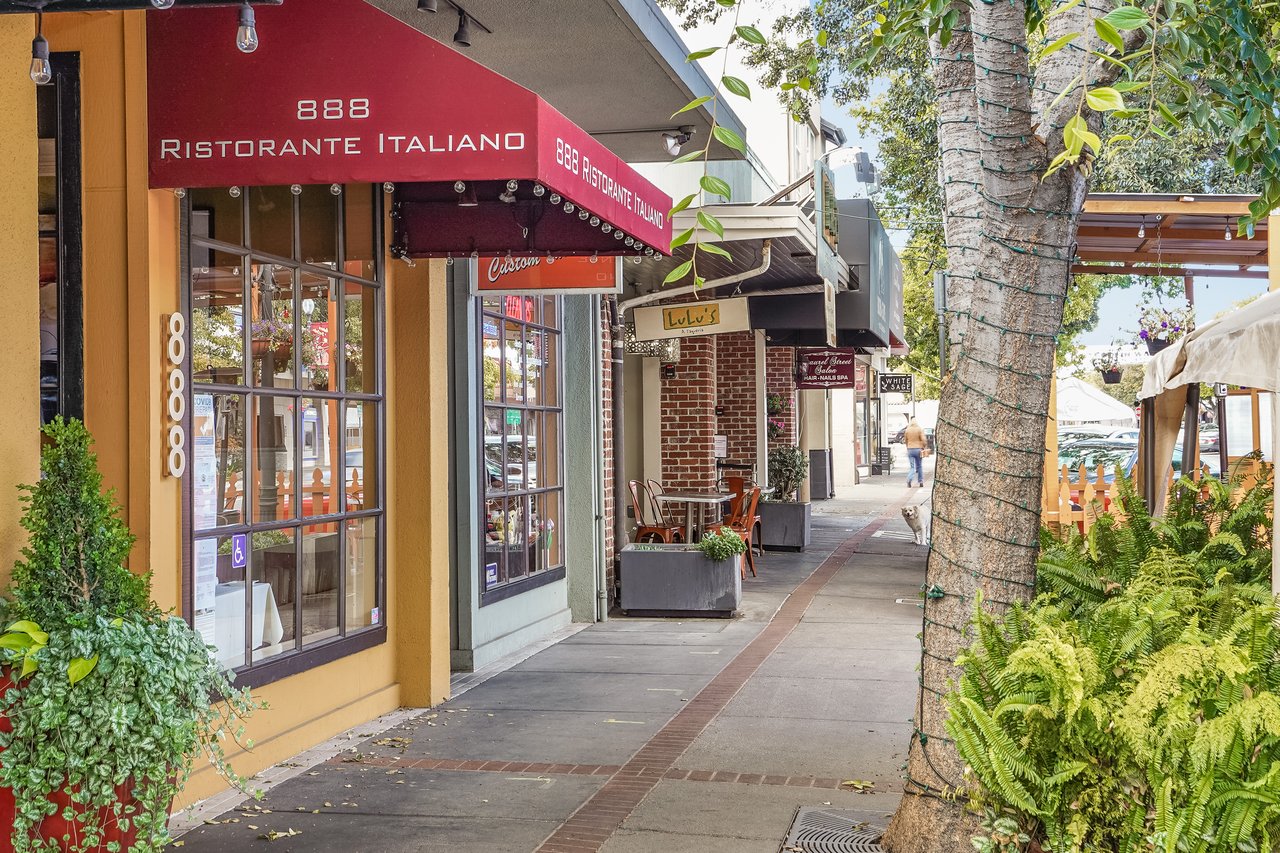
Thinking about a San Carlos home with sweeping views or an easy stroll to Laurel Street? You are likely deciding between hillside neighborhoods on the western slopes and the flatter parts closer to downtown and the bay. Both options can be great. The right fit comes down to your daily routine, renovation plans, risk tolerance, and the kind of lifestyle you want. In this guide, you’ll learn the real differences in microclimate, access, lot types, home styles, and long-term costs so you can choose with confidence. Let’s dive in.
Where the hills and flats are
San Carlos sits between the foothills of the Santa Cruz Mountains to the west and the baylands to the east. Hillside areas generally start around 200 to 400 feet of elevation on the western slopes and ridgelines. The flats sit closer to downtown, El Camino Real, and the bay.
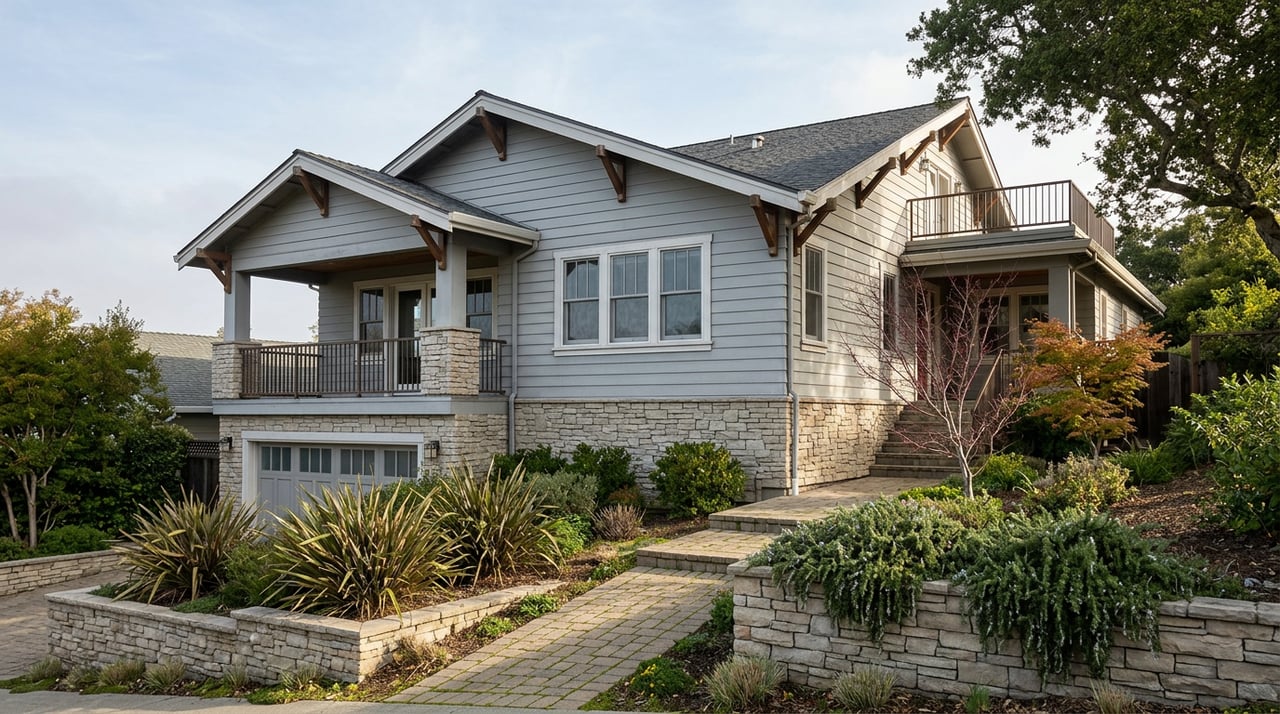
On the flats you’ll see a more regular street grid, smaller and consistent lots, and easy access to shops and transit. Up on the hills, parcels get more irregular and sloped, with curving streets, more separation between homes, and larger-feeling lots on a per-parcel basis.
Microclimate differences
Sun and fog
On the hills, south or west-facing slopes get more direct sun. That usually means brighter interiors, warmer afternoons, and stronger potential for solar panels and sun-loving gardens. North-facing slopes and ravines are cooler and shadier, which can raise moisture and mold risk if drainage is not managed well.
On the flats, the marine layer and bay breezes can keep summer afternoons cooler and a bit foggier. Nights can feel cooler in low-lying areas as cold air settles. These patterns vary by block and by season, so plan to visit at different times of day.
Wind and ventilation
Elevated ridgelines and exposed slopes can be windier. That helps with natural ventilation on warm days but also increases exposure for roofs, siding, and outdoor spaces. Landscaping on windy sites may need more irrigation and wind-tolerant plant choices.
Fire, landslide, flood risks
- Hillsides in San Mateo County are more likely to fall into Wildland-Urban Interface zones, which can mean defensible-space requirements and potentially higher wildfire insurance premiums.
- Sloped lots bring geotechnical considerations like landslides, slope creep, and retaining-wall performance. Site-specific soils and engineering matter a lot for remodels and additions.
- Low-lying flats near the bay and marshlands face higher long-term flood and sea-level-rise exposure. If you are considering the easternmost areas, evaluate flood zones and long-range adaptation plans.
Walkability and transit
Downtown access
If daily walkability to cafés, restaurants, libraries, and services is a top priority, the flats generally deliver. Neighborhoods near Laurel and Elm offer shorter, flatter walks for errands and community events. In the hills, trips to downtown are usually a short drive rather than a casual walk because of steep grades and limited sidewalks in spots.
Transit and commutes
The flats sit closer to El Camino Real, the San Carlos Caltrain station, and bus routes. That reduces last-mile time and makes transit commutes simpler. Hillside streets are often curvilinear, and service frequency is lower, so expect a downhill walk to transit and a tougher uphill return in the evening.
Pedestrian feel
Flatter residential areas and commercial cores tend to have more continuous sidewalks, crossings, and lighting. In the hills, sidewalks can be intermittent, streets narrower, and grades steeper. If walking and biking are part of your daily routine, test your actual route at the times you would use it.
Lots and home styles
Parcels and driveways
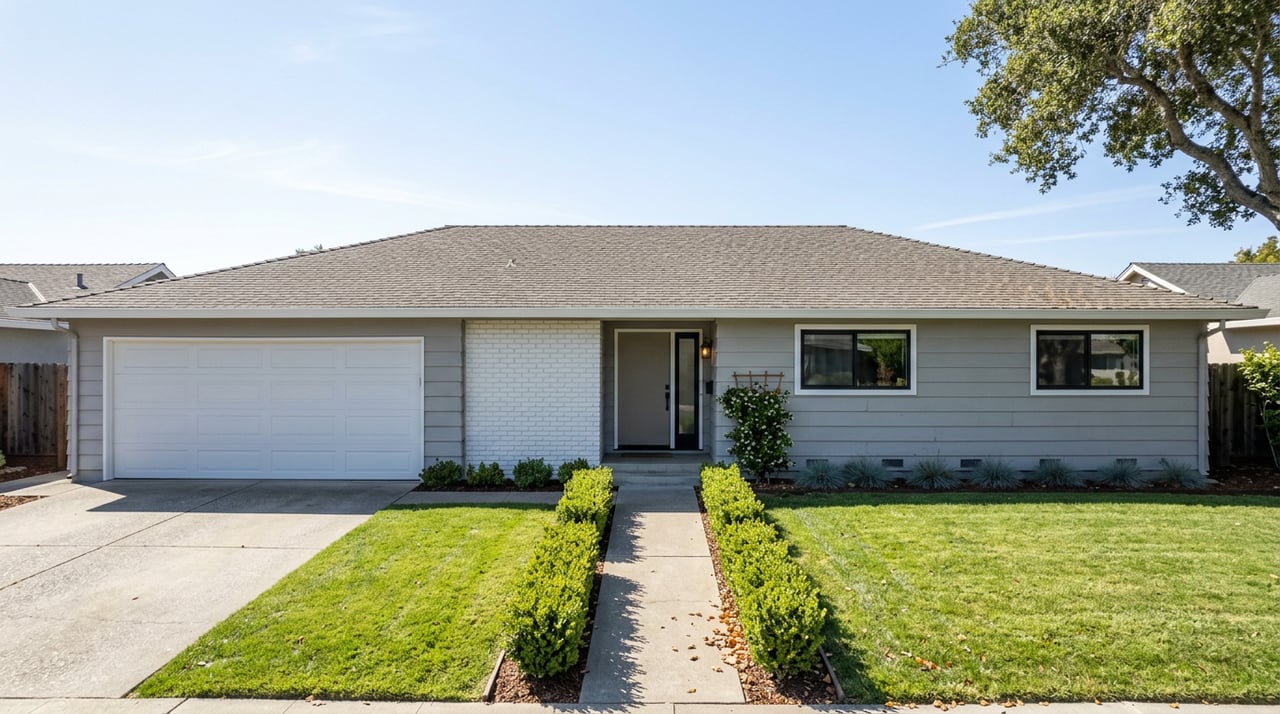
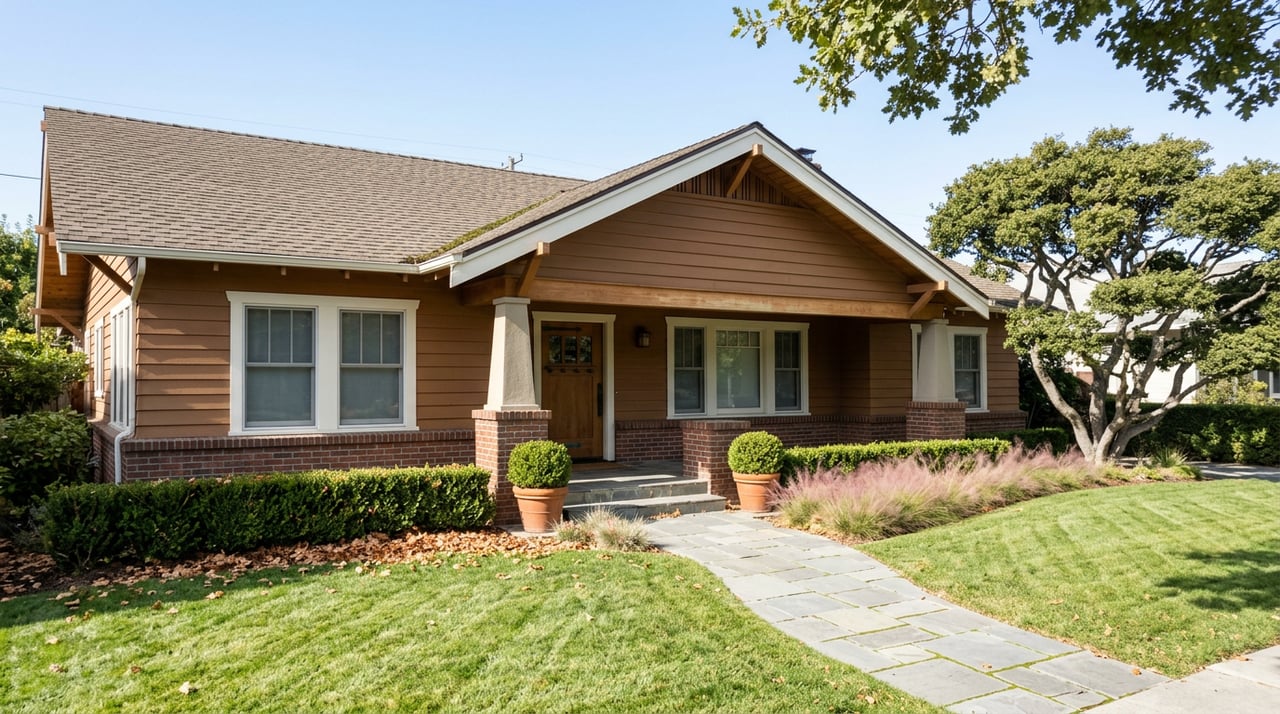
Flats usually offer level, rectangular lots that simplify additions, ADUs, pools, and standard landscaping. Driveways and garages are straightforward. Hillside parcels are often irregular and terraced, with retaining walls, steeper or longer driveways, and tight street access for vehicles and construction crews.
Home eras and design
On the flats, you’ll find a mix of mid-century and ranch homes, plus remodels and infill. In the hills, homes tend to be larger, with mid-century modern, ranch, split-level, and custom designs aimed at capturing sun and views. Many hillside properties have multilevel decks and elevated living areas.
Renovation and costs
Renovations on the flats are typically more predictable and cost-effective because of level foundations and easier equipment access. Hillside additions often require geotechnical reports, engineered foundations like piers or caissons, grading and drainage solutions, and careful logistics on narrow streets. All of that can add time and cost.
Outdoor living and solar
Hillside yards often rely on terracing, rock walls, and drought-tolerant plantings with erosion control in mind. Flats make it easier to create conventional lawns, patios, and pools. Solar performance depends on orientation and shading. South and west exposures on the hills usually maximize production, while north-facing slopes offer less solar gain.
Market and resale factors
Pricing dynamics
View and elevation can command a premium, especially for clear Bay or ridge views with good privacy. That premium varies widely by view quality, street access, and comparable sales. Flats trade on convenience, lot usability, and proximity to amenities. Homes near downtown and transit can attract a broad buyer pool.
Ongoing costs
Hillside ownership often includes higher maintenance for drainage, vegetation management, and retaining structures, plus potential wildfire-related insurance costs. Flats can reduce site work for remodels, though older homes may need seismic upgrades. Property taxes depend on purchase price and assessment, and older structures can add upgrade costs during renovations.
Quality-of-life tradeoffs
- If you value daily convenience, short walks, simpler remodels, and easy transit access, the flats are usually a better match.
- If you want privacy, natural light, views, and larger-feeling outdoor space and you are comfortable with higher maintenance and more complex projects, focus on the hills.
Neighborhoods like Howard Park and White Oaks illustrate these tradeoffs well, with each offering a distinct blend of access, lot character, and price point.
Quick buyer checklists
For hillside homes
- Ask for any recent geotechnical or soils reports and permits for past work.
- Inspect retaining walls: age, engineering, drainage, and maintenance history.
- Verify wildfire designation and confirm insurance availability and cost.
- Check driveway grade, on-street parking, and construction access.
- Review drainage paths, downspouts, swales, and any signs of slope movement.
For flats
- Confirm elevation and evaluate flood and sea-level-rise exposure if near the baylands.
- Walk actual routes to schools, parks, groceries, and transit at typical times.
- Check sidewalk continuity, crossing safety, and lighting on your block.
For any property
- Verify zoning, ADU rules, and permit history with the city or county.
- Ask for documentation on major repairs to foundations, roofs, and retaining structures.
- Consider solar potential, shading, and tree impacts on energy and maintenance.
How to choose
Start with your day-to-day life. Do you want a quick coffee walk, an easy Caltrain ride, and a level yard for an ADU or pool? The flats likely fit best. Do you prioritize bright interiors, privacy, and the feel of open sky, and you are comfortable with slope-related upkeep? The hills may be your match.
Next, assess project plans. If you expect to remodel or add on, pricing and complexity are generally lower on level lots. If you want to maximize views and sunlight, target hillside homes with favorable orientation and existing engineering.
Finally, factor in long-term risk and cost. In the hills, plan for wildfire mitigation and slope management. On the flats near the bay, evaluate flood and sea-level-rise exposure. A few on-site visits at different times of day will confirm what the data suggests.
If you want a block-by-block walkthrough of San Carlos hills versus flats, plus a strategy tailored to your goals, reach out. I’m here to help you weigh the tradeoffs and secure the right property at the right terms.
FAQs
What is the main difference between San Carlos hills and flats?
- Hills offer more sun, views, and privacy on sloped lots, while flats deliver shorter walks, simpler remodels, and closer access to downtown and transit.
How does microclimate vary between hills and flats in San Carlos?
- Hillside south and west slopes are sunnier and warmer by day, while flats near the bay are cooler and sometimes foggier, with cooler nights from cold-air drainage.
Are hillside homes in San Carlos harder to renovate?
- Yes. Expect geotechnical reviews, engineered foundations, drainage work, and tighter access, which typically raise cost and timelines versus level lots.
Do hillside homes always sell for more because of views?
- Many do, but the premium depends on view quality, privacy, access, and neighborhood comps; obstructed or partial views can narrow that gap.
Are flats in San Carlos at risk of flooding or sea-level rise?
- Low-lying eastern flats near marshlands face higher long-term exposure, so check flood maps and future adaptation plans before you buy.
What ongoing costs differ between hills and flats?
- Hills often carry added costs for retaining-wall care, vegetation management, and wildfire insurance; flats may see seismic upgrades on older homes and flood considerations near the bay.