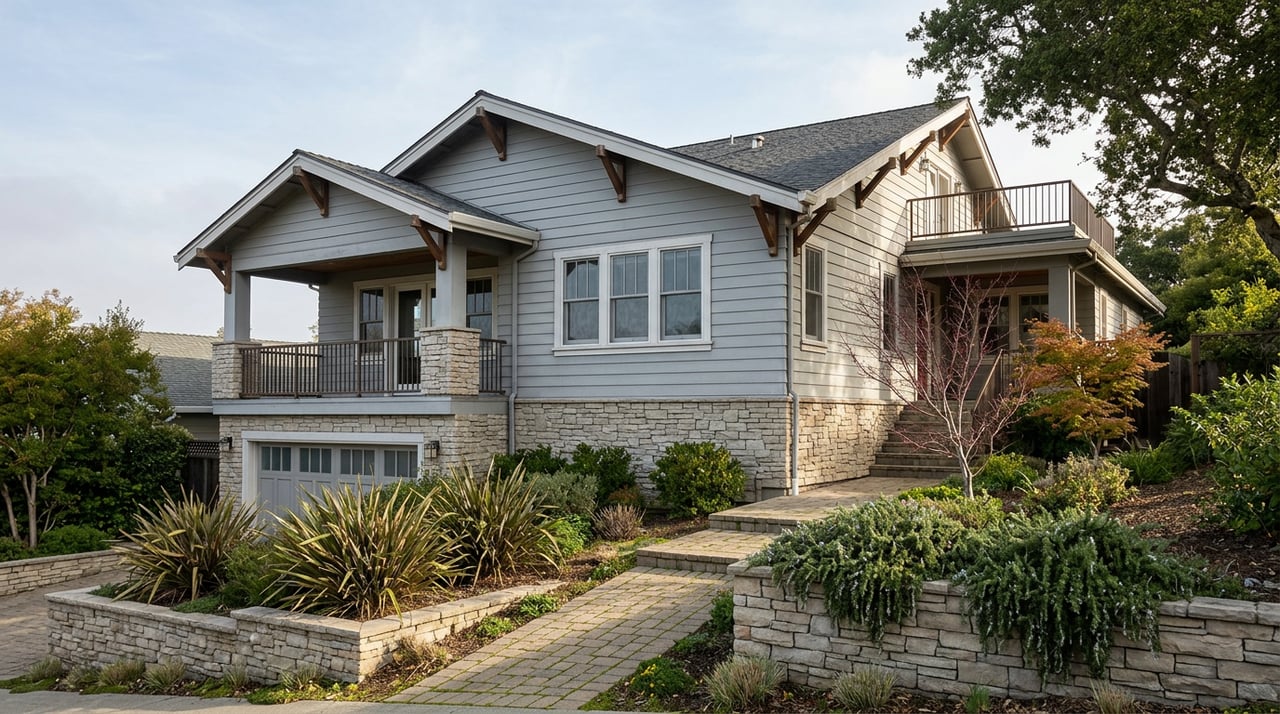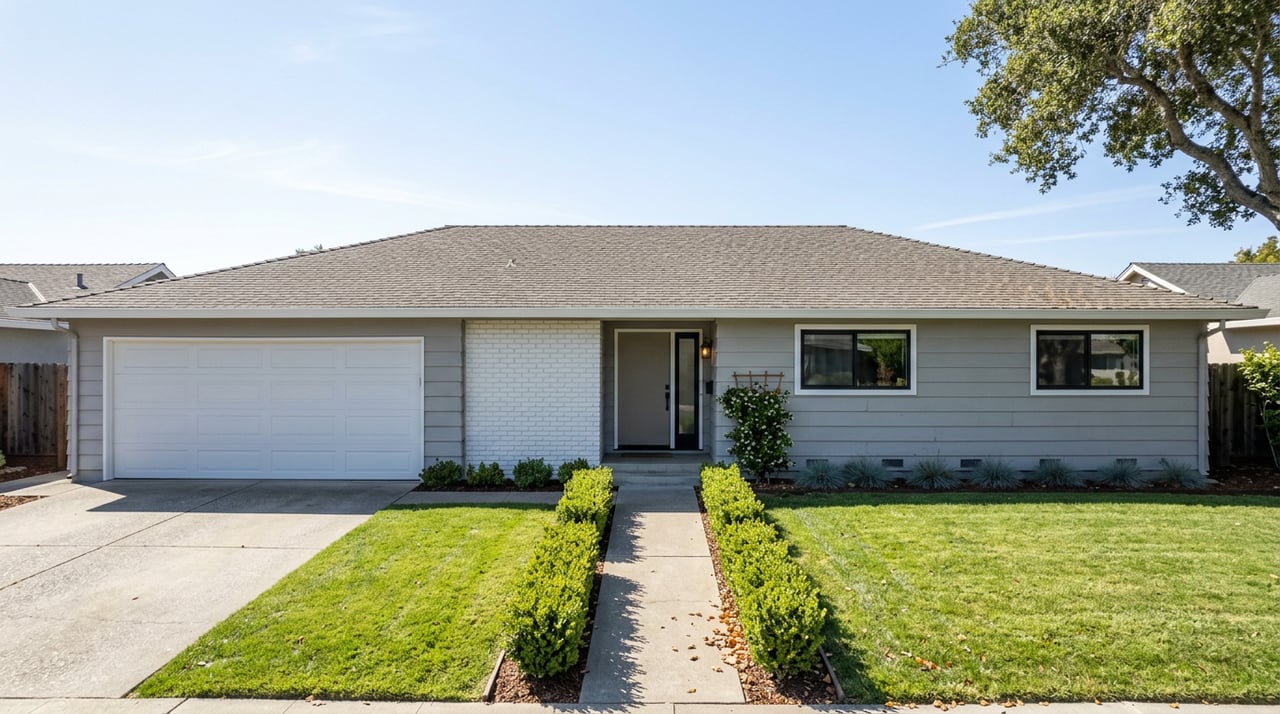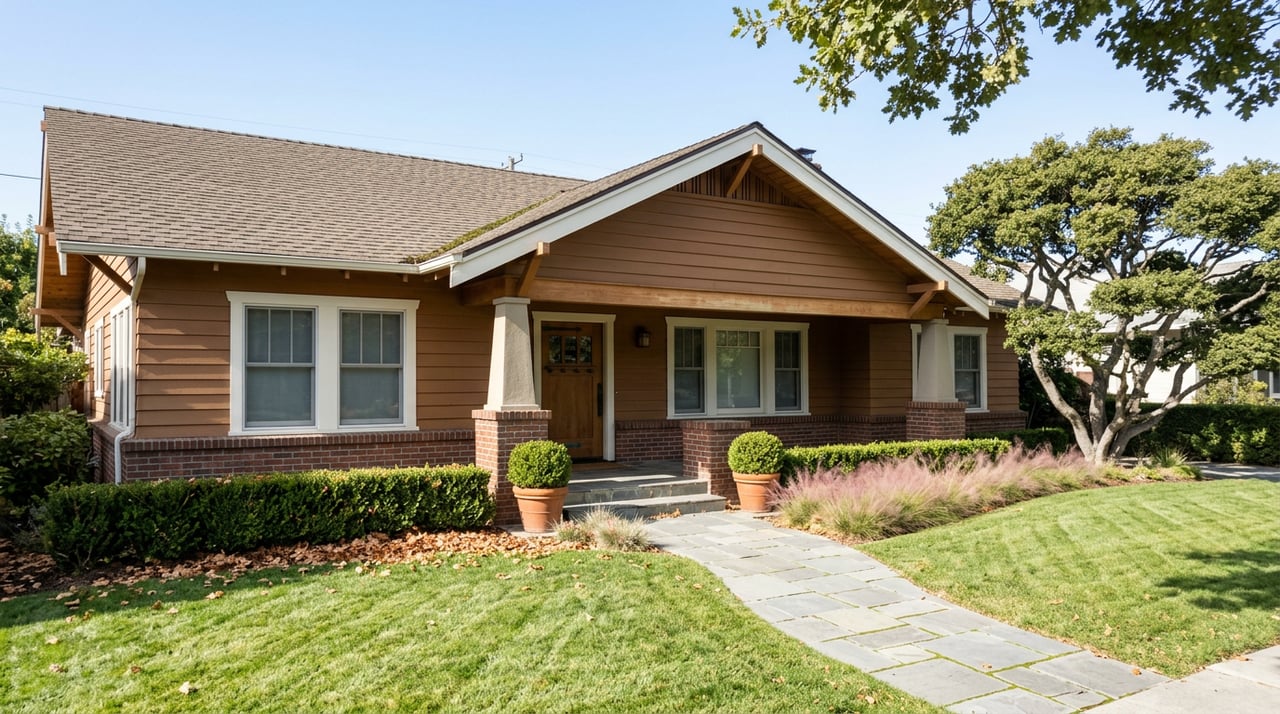
You find a home you love in San Carlos, then learn five other buyers love it too. Now what? In a market where good listings move fast, it can feel like you need to decide in hours and bid in the dark. This guide breaks down how multiple offers actually work here, what sellers look for beyond price, and how you can stay competitive without giving up protection. Let’s dive in.
Why San Carlos sees multiple offers
San Carlos is a supply‑constrained Mid‑Peninsula market with strong demand and fast‑moving listings. Local trackers and agents consistently describe San Carlos as highly competitive, with many well‑priced homes receiving multiple offers. City‑to‑city trends vary across San Mateo County, so you want neighborhood‑level strategy for places like White Oaks, Howard Park, Beverly Terrace, Cordes, Alder Manor, Clearfield Park, and the Devonshire and Laurel corridor.
If you are buying or selling in this environment, the key is understanding the process and preparing early so your choices are clear on offer day.
How offer day works in San Carlos
Typical timeline
- Listing goes live near the end of the week, then open houses build momentum over the weekend.
- The listing agent may set an offer deadline to review all offers together after the first open house.
- Some sellers instead accept a great early offer. Others ask all buyers for “highest and best” by a set time.
Ethics and disclosures
- With seller permission, the listing agent can disclose the existence of other offers and invite best‑and‑final. Without permission, they cannot disclose terms. See the NAR Field Guide to Multiple Offers for the standards that shape local practice.
- Listing agents must present all written offers promptly. New offers can arrive even after a deadline until the seller is under contract.
Seller tools you may see
- Highest‑and‑best request. Compresses the competition into one round.
- Seller Multiple Counter Offer, also called an SMCO. This lets a seller counter several buyers at once. Even if you sign the SMCO, it is not binding until the seller re‑signs to accept.
What sellers weigh beyond price
Price matters, but it is not the only thing. In San Carlos, clean structure and certainty often beat a messy higher number.
- Net to seller. Sellers look at price minus credits and costs. A higher price with big credits can net less.
- Financing certainty. All‑cash or a fully underwritten pre‑approval is stronger than a basic pre‑qual letter.
- Contingencies. Shorter or fewer contingencies reduce risk for the seller. Be thoughtful, because you are trading away protection.
- Earnest money. A larger deposit signals commitment. If you initial the liquidated damages clause in the California RPA, your exposure often caps at 3 percent for most owner‑occupied 1 to 4 unit homes, but you should review the details. The cap and mechanics are outlined in this liquidated damages overview.
- Timing and rent‑back. Flexible close dates or a short rent‑back can tip the scales.
- Appraisal risk. If price sits above recent comparable sales, sellers favor buyers who can address a potential appraisal gap.
Quick net‑to‑seller example
| Offer | Price | Buyer Credit | Net to Seller |
|---|---|---|---|
| A | $2,000,000 | $0 | $2,000,000 |
| B | $2,025,000 | $35,000 | $1,990,000 |
| C | $1,995,000 | $0 | $1,995,000 |
Offer A nets the most even though Offer B has the highest headline price. This is why clean structure and credits matter.
California forms and mechanics to know
SMCO vs a standard counter
- SMCO. Seller can counter multiple buyers at once and stay free to choose later. Your acceptance is not final until the seller re‑signs.
- Standard counter. If both sides sign, you have a binding contract.
Contingency timing and notices
- In California, contingency removals must be in writing. The RPA sets material deadlines. If you miss one, the seller can issue a Notice to Buyer to Perform that starts a short cure window. Learn how day counting works with this practical explainer on counting contract days.
- Common buyer timing mistakes and how to avoid them are covered in this California RPA timing overview.
Smart buyer strategies that work here
1) Prep before you shop
- Get fully underwritten if possible. A strong lender letter that shows underwriting progress is far better than a basic pre‑qual. Include lender contact info and proof of funds with your offer.
- Line up your earnest money. Plan for 1 to 3 percent or more in competitive situations. Larger deposits increase your risk if you remove contingencies. Review the liquidated damages basics before you commit.
2) Structure the offer with care
- Escalation clause. This can auto‑increase your price to beat a written competitor up to a cap. It also reveals your ceiling and must be drafted cleanly. Many sellers still ask for highest‑and‑best instead. Use only if you understand the tradeoffs.
- Appraisal gap coverage. You can keep an appraisal contingency but agree to cover a defined shortfall amount. Example: Purchase price 2,000,000. If appraisal is 1,950,000 and you agree to cover up to 50,000, your loan still funds based on 1,950,000 and you bring the extra 50,000 in cash.
- Inspection plan. Do not waive lightly. Options include a shortened inspection period, an informational inspection, or reviewing seller‑provided inspection reports when offered.
- Financing contingency. A full underwrite reduces the need to waive it outright. Consider a shorter window or a narrow waiver tied to final loan approval.
3) Mind the contract clock
- Document contingency removals on the correct form and count days exactly. Day 0 is the day a notice is delivered. See the step‑by‑step on how to count days.
Example: Offer accepted Friday, Day 0 is Friday. A 7‑day inspection contingency expires the following Friday at 11:59 p.m. If the seller issues a Notice to Perform on Thursday at noon with a 2‑day window, your response deadline is Saturday at noon. Confirm precise rules with your agent.
4) Package your offer to stand out
- Submit a complete, signed contract with clean addenda and clear lender info.
- Include proof of funds and any pre‑inspection or seller reports you reviewed.
- Keep your cover letter short and factual. Focus on timing and convenience, not personal details.
- Work with a local agent who communicates clearly with San Carlos listing agents and lenders. Relationships and reputation matter in tight markets. For local context on the Peninsula’s pace and norms, this Peninsula market overview captures what many buyers experience each spring.
Important: If you are considering waiving contingencies or making any deposit non‑refundable, speak with your agent and, if needed, a real estate attorney. These are binding legal choices. The RPA’s liquidated damages clause and notice timelines have real consequences. Review the liquidated damages overview and the California RPA timing basics.
A simple game plan for San Carlos buyers
- Clarify your top and walk‑away price before offer day.
- Decide your inspection plan and appraisal gap comfort in advance.
- Get underwriting as far along as possible and have funds ready.
- Align on timing. Can you match the seller’s preferred close or offer a short rent‑back if needed?
- Deliver a clean, complete, and on‑time package.
A simple game plan for San Carlos sellers
- Price to the market and set clear expectations on timing.
- Decide how you want to handle disclosures about competing offers.
- Use a comparison grid to weigh net price, contingencies, timing, deposit strength, and close certainty.
- Consider SMCOs or a best‑and‑final round to organize competition.
- Choose the offer that delivers both price and certainty.
When you understand these mechanics, multiple‑offer moments feel less chaotic and more like a structured choice. You can protect your interests, move at San Carlos speed, and still make a confident decision.
If you are preparing to buy or sell in San Carlos and want a clear plan tailored to your neighborhood, reach out. You can learn more or get started with Bob Bredel - Main Site.
FAQs
How do multiple offers in San Carlos usually work?
- Listings often go live late week, open houses build demand, then the seller sets an offer deadline or invites highest‑and‑best. The agent presents all written offers promptly and with seller permission may disclose competing offers. See the NAR Field Guide for standards.
What is a Seller Multiple Counter Offer in California?
- An SMCO lets the seller counter several buyers at once and remain free to choose among them. Your signed SMCO is not binding until the seller re‑signs to accept. Ask your agent how this affects your timing and deposit risk.
Do I need to waive contingencies to win in San Carlos?
- Not always. Shortening inspection and loan windows, showing stronger underwriting, and offering appraisal gap coverage are common middle paths. Each step trades protection for competitiveness, so decide your comfort level in advance.
How does the 3 percent liquidated damages cap work?
- In many owner‑occupied 1 to 4 unit deals, if both parties initial the clause in the California RPA, the seller’s enforceable liquidated damages are usually limited to 3 percent of price. Review specifics in this liquidated damages overview and confirm with your agent or attorney.
How are contract days counted for contingencies and notices?
- Day 0 is the day a notice is delivered. Deadlines run to 11:59 p.m. unless your contract says otherwise. Notices to Perform have minimum response windows. Learn the rules in this guide on how to count contract days.