Wondering whether selling in San Carlos, Belmont, or Redwood City puts you in the strongest position? If you are planning a move-up purchase, downsizing, or redeploying equity within the Peninsula, the answer is not just about which city has the highest median price. It is about how your home type, your timing, and your next move line up with each market’s mix of demand, inventory, and buyer expectations. Let’s break it down.
Seller market strength by city
All three cities are still seller’s markets as of May 2026, but they behave a little differently. San Carlos leads on trailing sold-price data, Belmont looks the most competitive by Redfin’s measures, and Redwood City offers the most inventory and the widest range of home types.
For sellers, that means the headline numbers only tell part of the story. A detached home in San Carlos does not compete the same way as a condo near transit in Belmont or a townhome in Redwood City. Your likely outcome depends on the match between your property and the buyer pool active in that part of the market.
San Carlos: highest pricing lane
San Carlos sits at the top of the trio on price. Redfin reports a trailing three-month median sale price of $2.658 million, while Realtor.com reports a May 2026 median sold price of $2.354 million.
Buyer demand is still firm. Homes are getting about 6 offers on average, selling in roughly 12 days by Redfin’s measure, and 60.5% are selling above list with a 105.4% sale-to-list ratio.
For a seller, that usually points to strong pricing power, especially if you own a well-located detached home. It also reinforces why pricing strategy matters so much here. Buyers may compete aggressively, but they are still comparing your home against a relatively tight and specific product mix.
Belmont: most competitive feel
Belmont is arguably the most intense market of the three. Redfin shows a median sale price of $2.249 million, 7 offers on average, a 12-day market time, a 106.5% sale-to-list ratio, and 71.1% of homes selling above list.
Realtor.com shows 66 active listings, a $2.043 million median list price, and a $2.35 million median sold price in May 2026. In plain English, sellers still hold leverage, and buyers may have less room to negotiate here than they do in Redwood City.
If you are selling in Belmont, that competition can work in your favor. Still, your result may vary more by property setting, condition, and access than broad city stats suggest.
Redwood City: most choice and flexibility
Redwood City remains competitive, but it is the most inventory-rich market of the three. Redfin reports a $1.983 million median sale price, 5 offers on average, an 11-day market time, a 106.2% sale-to-list ratio, and 70.8% of homes selling above list.
Realtor.com shows 177 active listings, a $1.8 million median list price, and a $1.9 million median sold price in May 2026. That larger inventory base creates more variation across neighborhoods and property types.
For sellers, Redwood City can still produce excellent outcomes. It just tends to reward sharper positioning because buyers usually have more options to compare.
Housing mix shapes your selling strategy
One of the biggest differences between these three cities is housing stock. That matters because the type of home you are selling often influences buyer demand as much as the city name.
San Carlos: strongest detached-home profile
San Carlos is still the most clearly single-family-oriented of the three. City housing data says 72% of the housing stock is single-family attached or detached, while 28% is multifamily.
Older parts of San Carlos were developed in the 1920s, with major growth in the 1940s and 1950s, and later development in the western hills. Multifamily housing is more concentrated along El Camino Real, Laurel Street, and San Carlos Avenue.
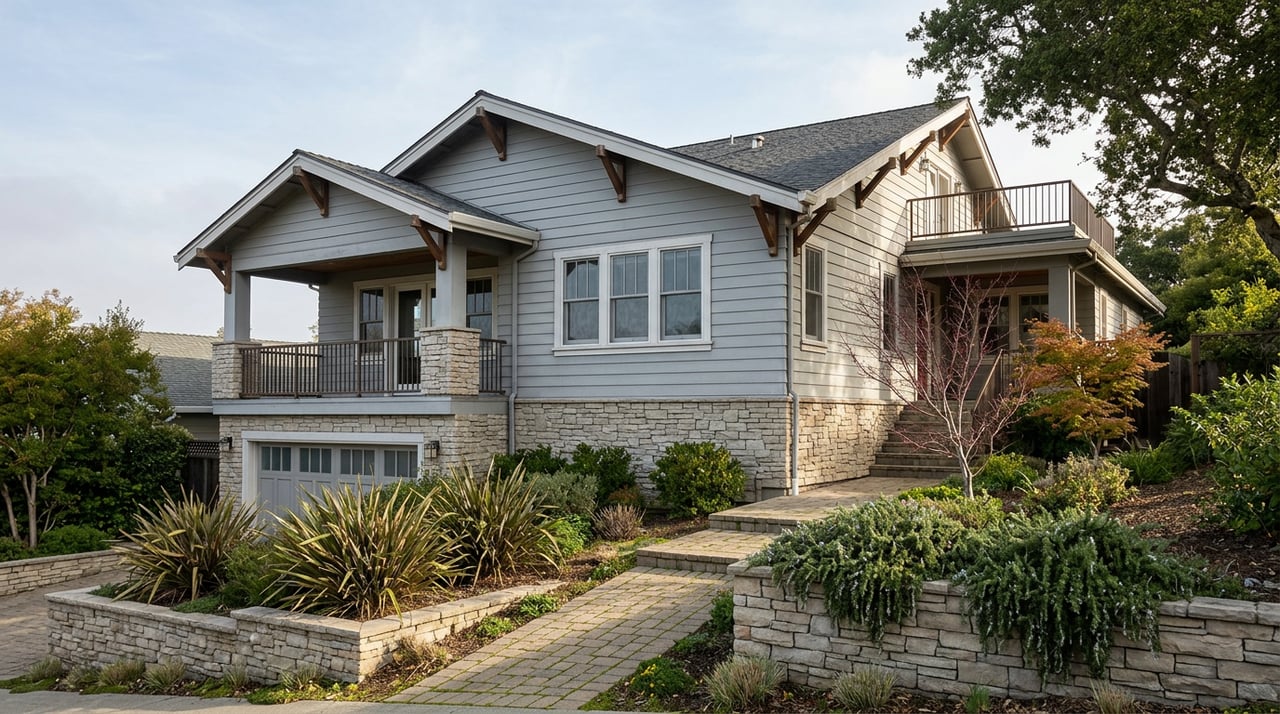
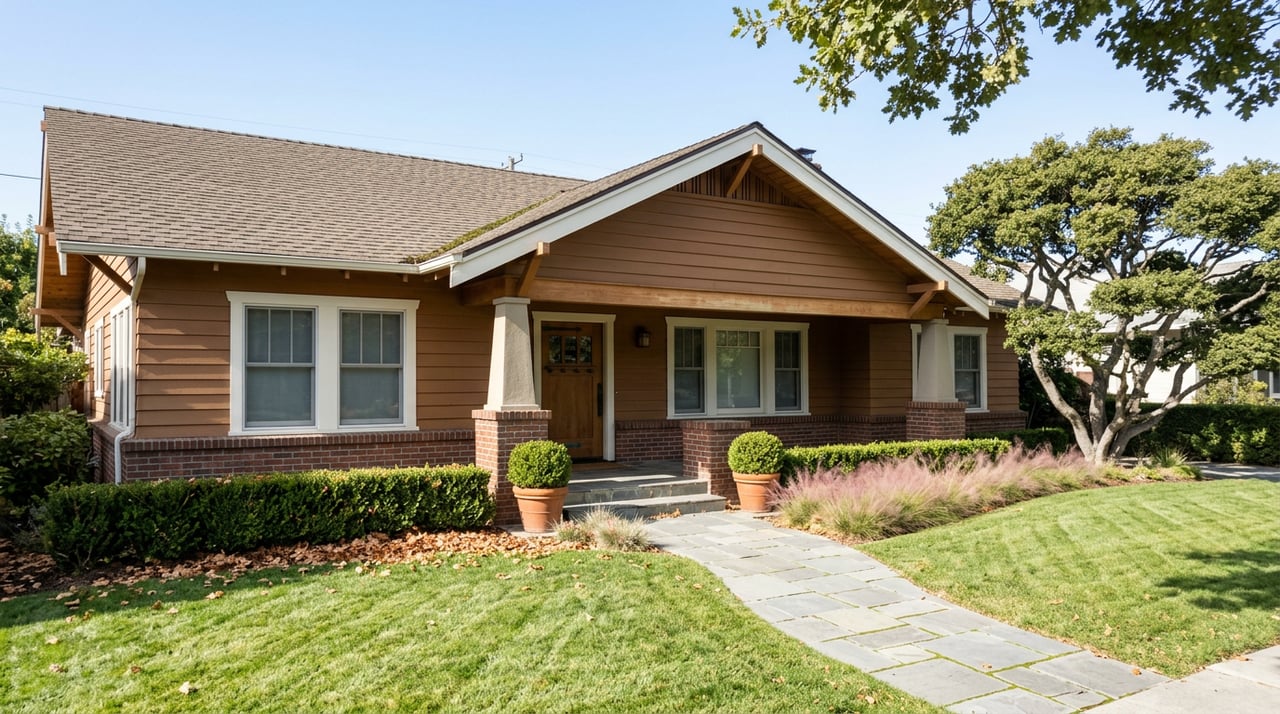
From a seller’s perspective, this is important. If you own a detached home in a classic San Carlos neighborhood, you are in the city that most directly supports that housing lane.
Belmont: a middle ground
Belmont has a more mixed profile than San Carlos. According to the city’s housing element summary, the stock is 58.0% single-family detached, 6.0% single-family attached, 3.1% multifamily with 2 to 4 units, and 32.9% multifamily with 5 or more units.
That mix creates a broader range of buyer targets. Belmont also combines hillside residential areas with a downtown revitalization focus around the Caltrain station, which adds another layer to how homes are valued and marketed.
For sellers, Belmont often sits between San Carlos and Redwood City. It can deliver strong detached-home demand while also attracting buyers considering condos, apartments, or transit-adjacent living.
Redwood City: widest range of home types
Redwood City has the broadest housing mix by far. Official city data shows 46% of housing stock is one-unit detached, 12% is one-unit attached, 7% is 2 to 4 units, 18% is 5 to 19 units, 14% is 20 or more units, and 2% is mobile-home or similar housing.
The city also notes that missing-middle housing is spread through older neighborhoods near transit and in denser street grids. That gives Redwood City the widest choice set for buyers and the widest competitive set for sellers.
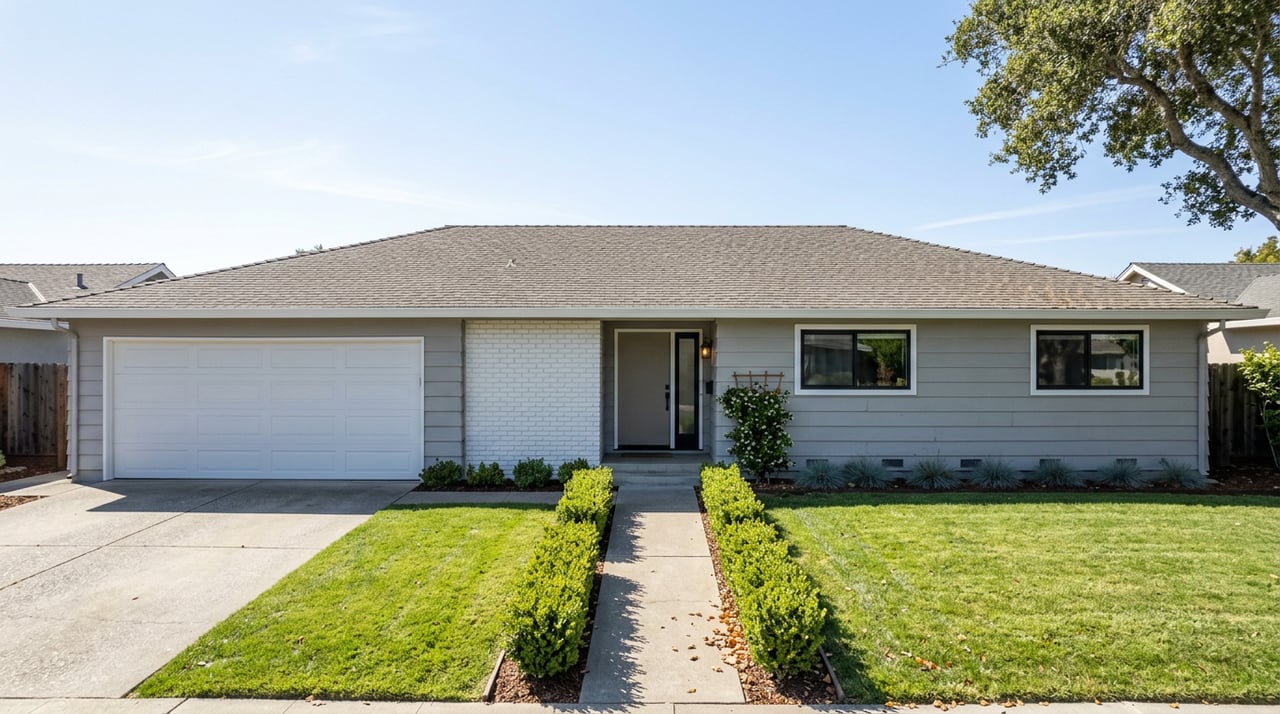
If you are selling there, broad city averages matter less than your exact product category. A detached home, duplex, condo, and townhome may each appeal to very different buyers and pricing bands.
Commute patterns influence buyer demand
Buyers do not just shop by price. They also shop by access, daily routine, and preferred neighborhood setting.
San Carlos commute appeal
San Carlos connects well to the Peninsula corridor through US 101, State Route 82, and Caltrain service. That usually supports steady buyer demand from households looking for commuter access without a more urban downtown environment.
For sellers, this can help widen the buyer pool. Homes that balance residential feel with practical access often benefit from this positioning.
Belmont access and hillside feel
Belmont sits roughly halfway between San Francisco and San Jose, with access to Highway 101, Highway 82, Interstate 280, and Caltrain. The city also highlights planning around the Belmont Village area near the station.
That creates a useful blend for sellers. Belmont can appeal to buyers who want strong connectivity but still prefer a more hillside and residential setting.
Redwood City downtown and transit mix
Redwood City offers the strongest downtown-and-transit mix of the three. The city notes access from Highways 101 and 280, a Caltrain stop in the heart of downtown, and multiple SamTrans routes serving the area.
That can be a major advantage depending on your property. Sellers near downtown or other transit-friendly areas may benefit from a buyer pool looking for multiple commuting options and a more walkable core.
What this means for your next move
If you are selling one home and buying another, the right question is not just, “Which city is hottest?” A better question is, “What does my equity buy me next, and how much flexibility do I want?”
San Carlos and Belmont generally require more capital if you want to stay in a detached-home lane. Redwood City often gives sellers more flexibility on price point, square footage, or housing type because inventory is deeper and the housing mix is broader.
That is not a rule for every block or every listing. It is a citywide pattern that can help shape your planning.
A practical seller lens for each city
Here is the simple version.
- San Carlos may make the most sense if you want to preserve a classic detached-home Peninsula lifestyle and your home fits that core demand profile.
- Belmont may appeal if you want strong seller conditions with a slightly more mixed housing landscape and a blend of hillside residential feel and transit access.
- Redwood City may offer the most adaptability if your goal is to unlock equity and gain more options across home type, location, or budget.
For many sellers, the real decision is not about choosing the city with the flashiest metric. It is about choosing the market that best supports both your sale and your next chapter.
Why micro-location still wins
City medians are useful, but they are only a starting point. In San Carlos, Belmont, and Redwood City, downtown or Caltrain-adjacent areas, hillside neighborhoods, older street grids, and different property conditions can all influence value and buyer behavior in meaningful ways.
That is where local pricing judgment matters. Especially on the Peninsula, two homes in the same city can have very different outcomes based on location, presentation, and how well the listing is positioned.
If you are thinking about selling in San Carlos or weighing your options against Belmont or Redwood City, a neighborhood-level analysis will tell you far more than a citywide average. If you want that kind of clear, practical guidance, Bob Bredel - Main Site is a good place to start.
FAQs
How does San Carlos compare to Belmont and Redwood City for home sellers?
- San Carlos currently leads on trailing sold-price data, Belmont appears the most competitive by Redfin’s measures, and Redwood City offers the most inventory and the widest range of housing types.
What makes Belmont attractive for sellers compared with San Carlos or Redwood City?
- Belmont combines strong competition metrics, limited active inventory, and broad commuter access, while offering a more mixed housing profile than San Carlos.
Why might Redwood City give sellers more flexibility than San Carlos or Belmont?
- Redwood City has the largest inventory and the broadest housing mix, which can create more options for sellers who plan to buy another home after their sale.
What kind of homes are most common in San Carlos, Belmont, and Redwood City?
- San Carlos is the most single-family-oriented, Belmont has a middle mix of detached and multifamily housing, and Redwood City has the widest spread across detached homes, attached homes, and multifamily properties.
Should sellers rely on city median prices when choosing between San Carlos, Belmont, and Redwood City?
- No. City medians are a helpful starting point, but micro-location, home type, and condition often matter just as much as the city name.