Most people assume the math is simple: bigger lot, bigger house. In San Carlos, that assumption misses an important distinction: smaller lots can allow more floor area relative to their size. It comes down to a formula the city adopted in 2018, one that quietly rewards small, in-town parcels and flatlines everything else at exactly 50 percent. If you are pricing a fixer, bidding on one, or reading "room to expand" in a listing description, that formula is the only number that actually matters.
I have watched buyers fall for the phrase "expansion potential" more than almost any other line in a San Carlos listing. It sounds like an invitation. Sometimes it is. Sometimes the lot has already reached its legal ceiling. The only way to know which one you are looking at is to run the actual ordinance, not the vibe of the yard.
The Rule Nobody Reads Until They Need It
Over two years of resident meetings, a seven-member Single-Family House Advisory Committee (SHAC) and a volunteer group called Good Growth San Carlos pushed the City Council to rethink that standard, arguing new construction and additions had started to overwhelm the lots and streets around them. In October 2018, the Council voted 4-1 to replace the flat coverage rule with a new floor-area formula. Then-Vice Mayor Cameron Johnson cast the lone dissent. The ordinance took effect the following month, on November 13, 2018, and it is still the rule today.
The City of San Carlos Planning Division still publishes the exact language, and it is worth reading once, because most people only learn it during escrow when a contractor or appraiser brings it up for the first time.
The Formula, Run Straight Through
Here is the rule as written. For lots of 7,500 square feet or less, maximum floor area is the greater of 1,100 square feet plus 35 percent of the lot, or 50 percent of the lot. For lots larger than 7,500 square feet, the cap is a flat 50 percent, no bonus attached.
Run that math across a range of typical San Carlos lot sizes and the pattern becomes obvious fast.
| Lot Size | Formula Applied | Max Floor Area | Effective % of Lot |
|---|---|---|---|
| 4,500 sq ft | 1,100 + 35% wins | 2,675 sq ft | 59.4% |
| 5,000 sq ft | 1,100 + 35% wins | 2,850 sq ft | 57.0% |
| 6,000 sq ft | 1,100 + 35% wins | 3,200 sq ft | 53.3% |
| 7,252 sq ft | 1,100 + 35% wins (barely) | 3,638 sq ft | ~50.2% |
| 10,000 sq ft | Flat 50% | 5,000 sq ft | 50.0% |
| 12,000 sq ft | Flat 50% | 6,000 sq ft | 50.0% |
The smaller the lot, the more generous the ratio, right up until you cross roughly 7,333 square feet. Past that point, every additional square foot of land buys you exactly half a square foot of house. Not more, no matter how large the parcel gets.
Where the Bonus Runs Out
This is why the small, older bungalow lots common in White Oaks, Oak Park, and Howard Park often have more legal room to grow than their size suggests, while a larger hillside parcel in Cordilleras Heights, despite feeling like a blank canvas, is boxed in at a flat percentage the moment you clear 7,500 square feet.
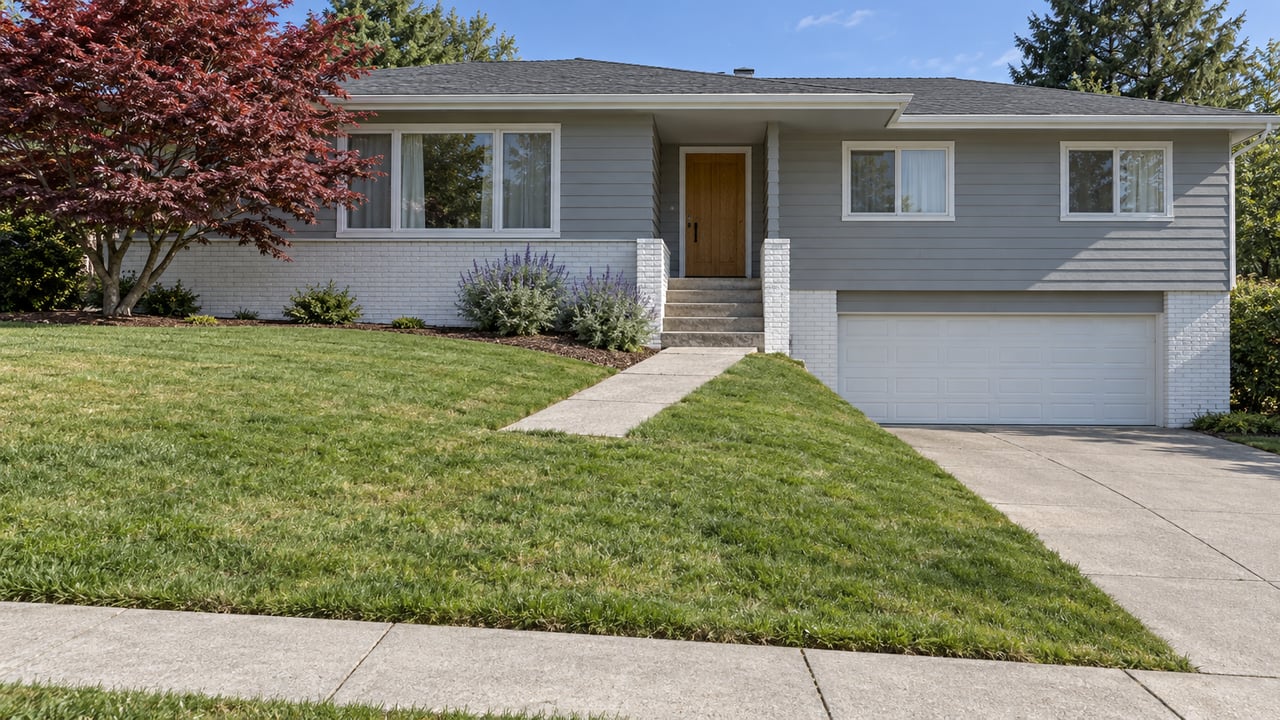
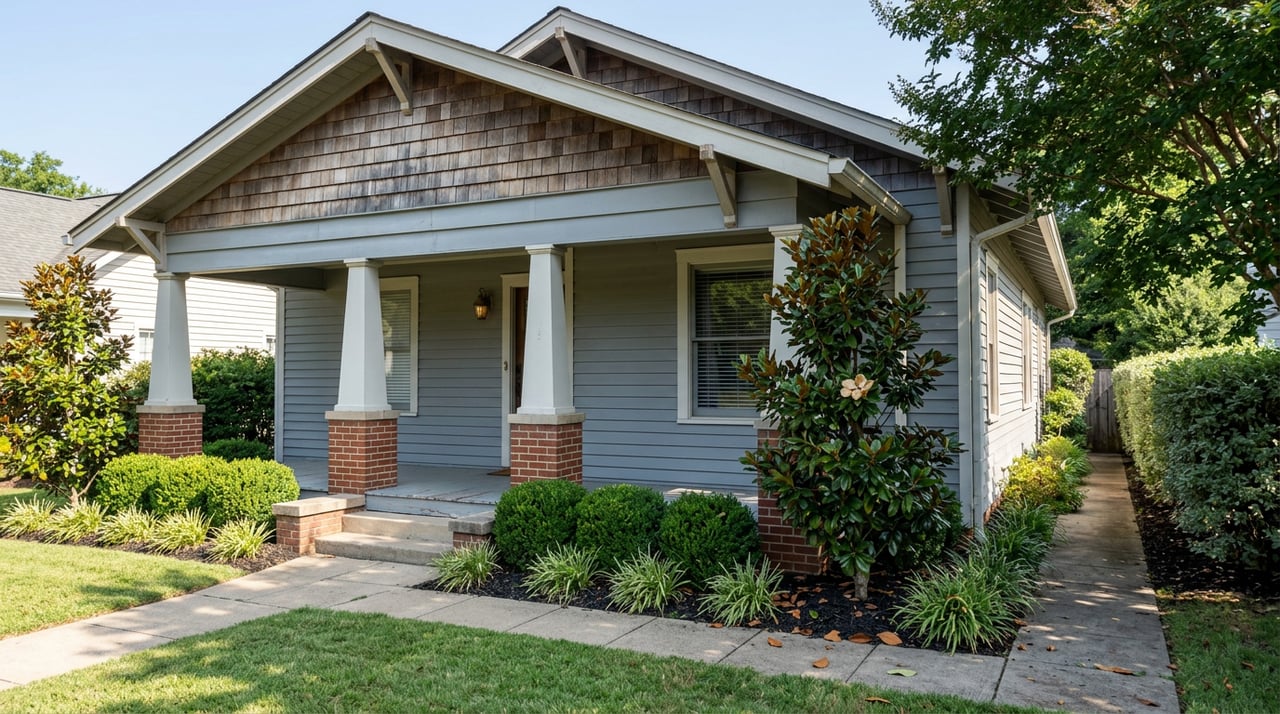
A real example from this spring makes the point well, and it is also a reminder that this is a math problem, not a neighborhood problem. A 1,610-square-foot home on a level, 7,252-square-foot lot near Burton Park sold for $2.8 million on May 22, 2026, marketed with language about expansion or a custom rebuild. The property happens to sit on Cordilleras Avenue, a name easy to mistake for the hillside Cordilleras Heights neighborhood, but the lot itself is flat ground close to downtown. Run the formula anyway, because it does not care what the street is named. This one maxes out at roughly 3,638 square feet, more than double what stands there now. The marketing held up, but only because the lot happened to sit right at the edge of the small-lot bonus. A few hundred square feet larger and the ceiling would have dropped straight to the flat 50 percent line with no bonus attached.
The rule of thumb I give clients: below about 7,300 square feet, run the small-lot formula. Above it, just take half the lot and stop hoping for more.
The Two Ways Around the Cap
The ordinance carves out two exemptions worth knowing before you assume a number is final. Garage space up to 450 square feet is exempt from the floor-area limit if it sits detached from the main house and at least 40 feet back from the front property line. Basements are exempt entirely, provided they sit directly underneath the house and rise no more than three feet above grade.
The basement exemption is the more consequential one, because it is the main lever available to owners of larger lots who are otherwise stuck at the flat 50 percent ceiling. A homeowner in Cordilleras Heights capped at 5,000 square feet on a 10,000-square-foot lot can still add meaningful living space below grade without touching that number at all.
Why the Hills Play by a Different Clock
Here is where the two threads in this piece meet. Basements are the workaround for large-lot owners boxed in by the flat cap, and large lots concentrate heavily in exactly the part of San Carlos where the ground itself complicates digging one. Hillside parcels in Cordilleras Heights and the western foothills face additional geotechnical review, and slope conditions can trigger a full soils report during the inspection period, a step flatland buyers in White Oaks or Howard Park almost never encounter.
That means the same lot that gives you room to beat the 50 percent ceiling with a basement is often the lot that needs the longest runway to confirm you can build one safely. If you are bidding on a larger hillside property with a short contingency period, ask early whether a geotechnical report already exists or needs to be commissioned. Waiting until week two of escrow to find out is how buyers lose their timeline and their leverage in the same week.
What This Means With Today's Market Moving This Fast
Over the three months ending in May 2026, San Carlos homes sold at a median of $2.7 million, up 10.8 percent year over year, with homes averaging just 12 days on the market. At that pace, there is no time to sort out expansion math after you have already fallen for a listing. Sellers marketing a fixer or an older bungalow as having room to grow should have the formula run and documented before the first open house, not after an offer lands. Buyers touring anything described as having potential should do the same math on their phone in the driveway, because the agent showing the home may not have run it either.
A Few Questions I Get Often
Does the formula treat RS-3 and RS-6 lots any differently? No. San Carlos zones single-family lots as RS-3 or RS-6 rather than the more familiar R-1 designation, but the floor-area formula applies the same way regardless of which district a lot sits in. The relevant number is always the lot's square footage, not its zoning label.
What if my lot is exactly 7,500 square feet? You are still in the small-lot tier, since the rule applies to lots "less than or equal to" 7,500 square feet. Run both parts of the formula and take the larger result, though at that exact size the two numbers land close enough that the difference is usually marginal.
Do I need a soils report even if I'm not planning a basement or major addition? Not automatically. The geotechnical review tends to get triggered by slope conditions and the scope of proposed work, so a light interior remodel on a hillside lot may not require one. Anything involving new foundation work, grading, or a basement almost always will.
Before You Price It or Bid On It
If you are getting ready to sell an older home on a smaller in-town lot, or you are weighing whether a hillside property's expansion story actually holds up, run the numbers before the sign goes in the yard. I have spent close to two decades pricing San Carlos homes against exactly this kind of detail, and it is the difference between a listing that draws confident offers and one that stalls on a buyer's second look. If you want a straight answer on what your lot can legally become, Bob Bredel is one call away.
This article is general information, not legal, tax or financial advice. Consult a qualified professional about your situation.