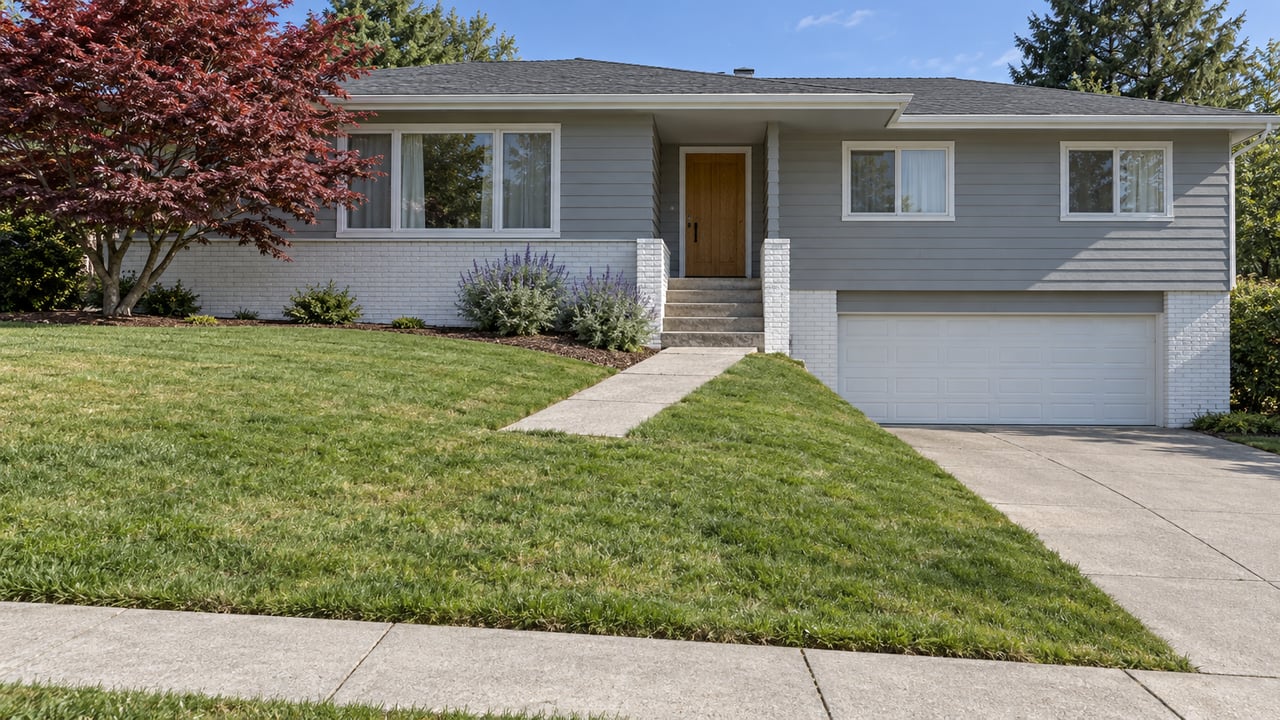
Selling a home in San Carlos can move fast, but that does not mean it happens overnight. In this market, you may get strong buyer interest within days, yet the full sale still includes prep, disclosures, escrow, and closing steps that can stretch several more weeks. If you are trying to line up your next move, plan around work, or manage a family schedule, understanding the timeline matters. Let’s dive in.
The Big Picture Timeline
For many San Carlos sellers, the best way to think about the process is as two overlapping timelines. The first is the market timeline, which covers prep, listing, showings, and offer review. The second is the contract-to-close timeline, which includes escrow, inspections, financing, and final signing.
Based on current local market pace and common California closing steps, a realistic planning estimate for a financed sale is often about 6 to 10 weeks from first consultation to recording. That is not a fixed rule, but it is a practical framework for a well-prepared home without major delays.
Current market data helps explain why. According to Redfin’s San Carlos housing market snapshot, homes in San Carlos sell in about 13 days on average and receive 5 offers on average. That early activity can happen quickly, but the closing process still usually takes several more weeks.
Week 0 to 1: Prep and Strategy
The first stage is usually short, focused, and important. This is when you decide on pricing strategy, prepare the home for market, arrange photography and staging, and start assembling the disclosure package.
In California, disclosures are not a minor detail. The California Department of Real Estate explains that sellers must provide required disclosures about the property’s condition and known hazards, and the agent also has a duty to visually inspect the home and disclose readily observable defects. Because these documents should be delivered as soon as practicable before transfer of title, it is often smartest to prepare them before the home goes live.
If your home is already clean, updated, and easy to show, this stage may move quickly. If you need repairs, painting, landscaping, or more extensive staging, prep can take longer.
What usually happens in this stage
- Initial consultation and pricing discussion
- Review of market conditions in San Carlos
- Staging, cleaning, and photography scheduling
- Gathering seller disclosures and related documents
- Deciding on list timing and launch strategy
Weeks 1 to 3: Listing, Showings, and Offers
Once your home hits the market, the pace often changes quickly. In a seller-leaning market like San Carlos, the first couple of weeks are often the most important exposure window.
That matches what current data shows. Redfin’s local market page reports an average of 13 days on market, while Realtor.com’s March 2026 snapshot cited in the research shows a 24-day median and classifies San Carlos as a seller’s market. In nearby countywide data, San Mateo County single-family homes had a 9-day median time on market in February 2026, which is a useful benchmark for local planning.
For you as a seller, that means the launch matters. Pricing, presentation, disclosures, and early buyer response can shape the entire outcome.
Why disclosures can affect timing here
If a required disclosure is delivered after a buyer has already signed the contract, California law may give that buyer a short cancellation window. Under California Civil Code Section 1102.3, the buyer may have 3 days after in-person delivery or 5 days after mail or agreed electronic delivery to cancel.
That is one reason experienced sellers try to assemble disclosures before listing or before accepting an offer. A complete package can help keep the transaction moving on the original timeline.
Weeks 3 to 8: Escrow and Closing Work
After you accept an offer, the process usually shifts into escrow. This stage is often the longest part of the sale, especially if the buyer is using financing.
A common California planning range is about 30 to 45 days from acceptance to closing for a financed transaction. During that time, the buyer typically completes inspections, works through loan underwriting, and may need an appraisal if financing requires one.
This is also where the most common delays appear. Inspection findings, repair discussions, appraisal questions, and lender conditions can all affect the closing calendar.
Common steps during escrow
- Buyer deposit and escrow opening
- Home inspection and possible follow-up inspections
- Appraisal, if required by the lender
- Loan underwriting and document review
- Repair requests or credit negotiations
- Final loan approval and signing preparation
The Consumer Financial Protection Bureau notes that if repairs are still unresolved near closing, the parties may negotiate seller credits instead of finishing the work before closing. That can sometimes keep the deal on track when timing is tight.
The Final Week: Walk-Through, Signing, and Recording
The last stretch sounds simple, but it still requires planning. Right before closing, the buyer will usually complete a final walk-through to confirm the home’s condition and verify that any agreed items remain in place.
At closing, the settlement agent handles the legal transfer of title and ownership, and the parties sign the final documents. The CFPB’s closing guidance also reminds buyers that they are not committed until documents are signed, which is why last-minute revisions can still matter.
For you, this means your move-out plan should leave some flexibility. Even in a strong market, final timing can shift if loan documents change, repairs remain unresolved, or signing gets pushed.
Disclosure Items That Can Extend the Timeline
In San Carlos, market speed gets most of the attention, but paperwork can be just as important to your timeline. Incomplete or late disclosures are one of the most common reasons a transaction becomes less predictable.
The California Department of Real Estate explains that the seller’s disclosure statement covers the property’s condition and known hazards, and hazard disclosures must be delivered as soon as practicable before transfer of title. If those disclosures arrive late, the buyer may receive an additional cancellation window.
Natural hazard disclosures
For many residential sales, California law requires a Natural Hazard Disclosure Statement covering issues such as flood, fire, and seismic risks. The governing statute explains that this law applies to single-family residential property and that a consultant’s report can satisfy part of the process, but it still must be accompanied by a completed and signed statement.
Lead-based paint disclosures
If your home was built before 1978, federal rules may add another review step. The EPA’s lead-based paint disclosure guidance says sellers and real estate agents must provide lead-paint information, disclose known hazards, provide available records, include a lead warning statement, and give buyers a 10-day opportunity to test for lead-based paint unless that period is waived.
That does not always create a delay, but it is another reason early preparation matters.
What Can Slow a San Carlos Sale?
Even in a fast-moving market, not every sale follows the same script. Most delays happen in a few predictable places.
Here are the big ones to watch:
- Incomplete disclosures that create new review periods
- Inspection issues that lead to repair or credit negotiations
- Appraisal concerns if value comes in below expectations
- Underwriting conditions that require more buyer documents
- Material loan changes that trigger a new waiting period
One specific issue to remember is the Closing Disclosure timing. The CFPB requires the lender to deliver the Closing Disclosure 3 business days before closing. If a major loan term changes, the buyer may receive a corrected disclosure and a new 3-business-day waiting period, which can push the closing date.
How to Plan Your Move Around the Sale
If you are selling in San Carlos, the biggest planning mistake is assuming a fast offer means an instant finish. It is better to think in stages.
A practical planning model looks like this:
- Prep and strategy: about 1 week, sometimes longer
- Market time and offer review: about 1 to 3 weeks
- Escrow and closing: about 3 to 6 weeks for many financed deals
That is how you arrive at the broader 6-to-10-week estimate for a typical financed sale. If your home needs more prep or the transaction hits repair or lending issues, the timeline can stretch beyond that range.
Why Local Guidance Matters
San Carlos is a market where details matter. A home can attract attention quickly, but that speed raises the stakes for pricing, prep, disclosures, and negotiation.
If you get the early steps right, you are in a better position to make the most of the strongest showing window and reduce the odds of avoidable delays later. That is especially important if you are coordinating a replacement purchase, downsizing timeline, or estate-related sale.
If you want a clear, neighborhood-specific plan for your sale, connect with Bob Bredel - Main Site. You can get practical guidance on timing, prep, pricing, and the steps that help keep a San Carlos sale moving smoothly.
FAQs
How long does a typical San Carlos home sale take?
- A typical financed San Carlos home sale often takes about 6 to 10 weeks from first consultation to recording, depending on prep time, market response, disclosures, and escrow details.
How fast do homes usually sell in San Carlos?
- According to Redfin data cited in this article, homes in San Carlos sell in about 13 days on average, although the full transaction usually takes longer because closing steps continue after an offer is accepted.
What part of the San Carlos sale timeline usually takes the longest?
- Escrow is often the longest stage because inspections, appraisal, underwriting, and final loan approval all happen after the offer is accepted.
Can disclosures delay a San Carlos home sale?
- Yes. If required disclosures are delivered late, California law may give the buyer a short cancellation window, which can affect the contract timeline.
Does a financed San Carlos sale take longer than a cash sale?
- In many cases, yes, because financed sales usually involve lender underwriting, appraisal review, and Closing Disclosure timing requirements.
What if my San Carlos home was built before 1978?
- A pre-1978 home may require federal lead-based paint disclosures, including a buyer opportunity to test for lead-based paint unless that period is waived.
When should I start preparing to sell my San Carlos home?
- It is usually best to start before listing so you have time for pricing strategy, home prep, staging, photography, and disclosure assembly before the market launch.