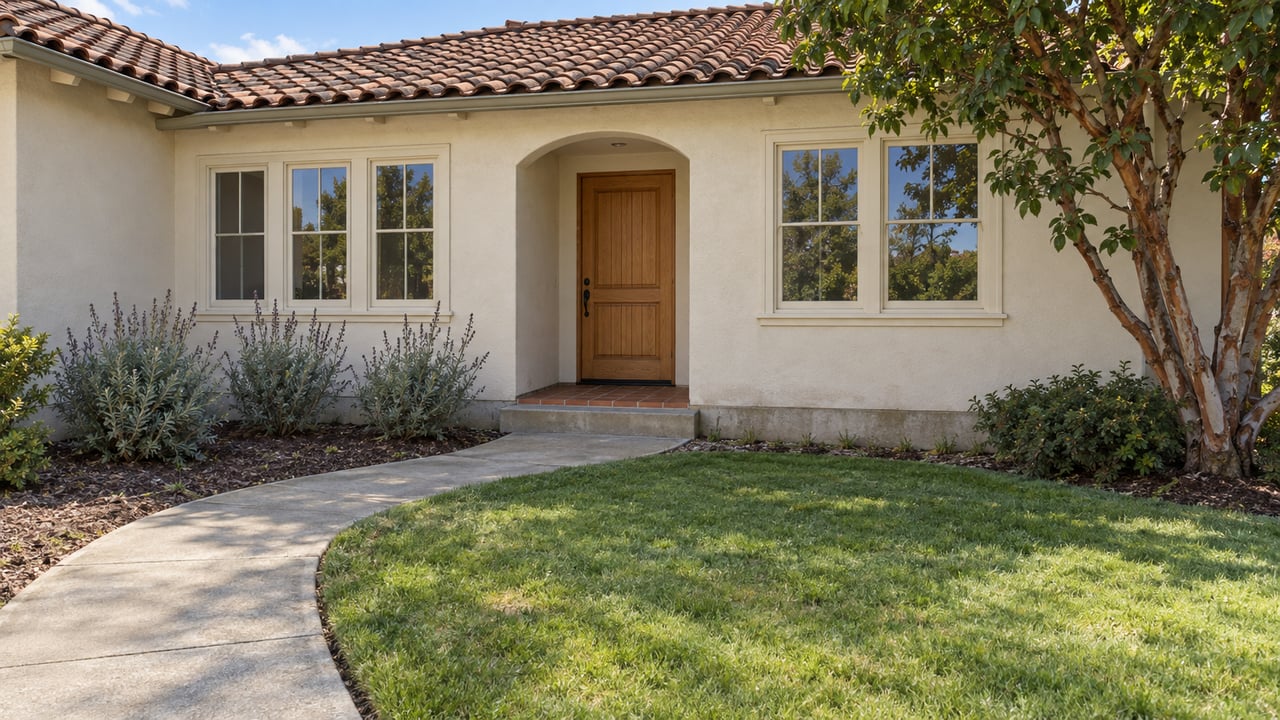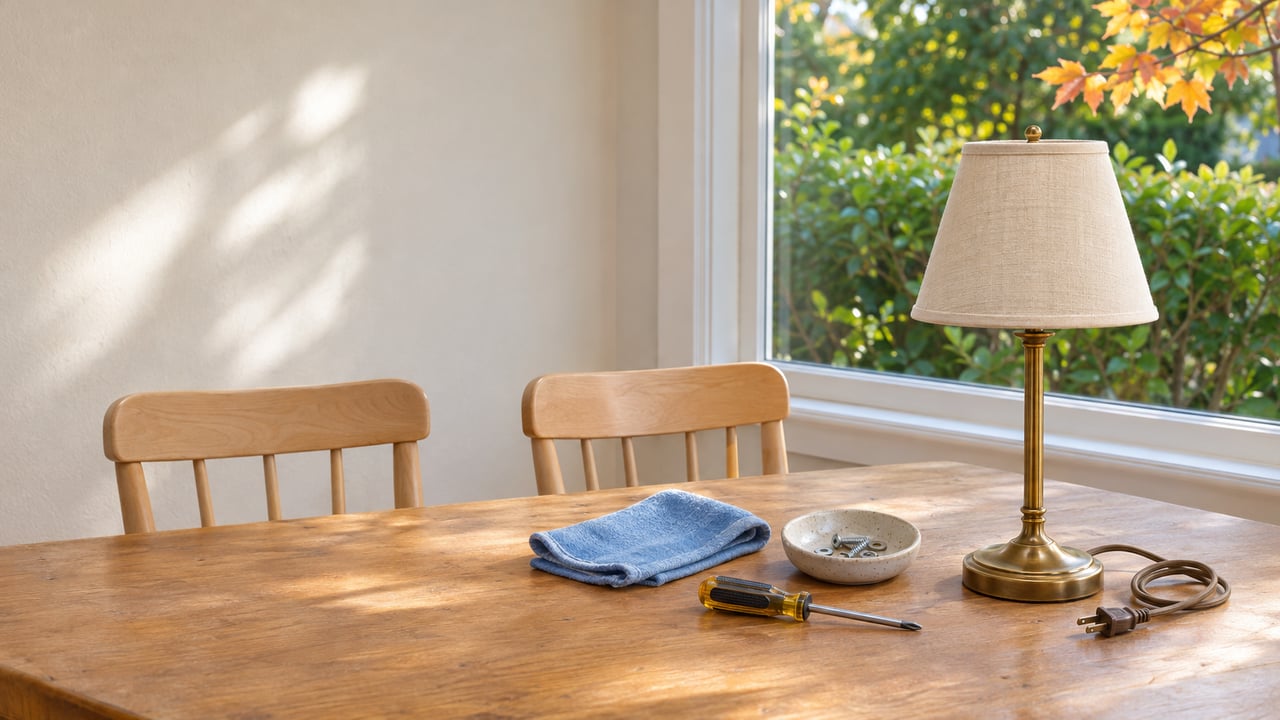
At its first two sessions this fall, neighbors carried 79 broken things into the Callis & Elaine Community Center on Arroyo Avenue. Volunteers and owners fixed 56 of them. Another 14 went home with instructions for finishing the job. Only 9 left with no fix and no plan.
The group behind those numbers is Repair Café of the Peninsula, a volunteer-run 501(c)(3) that holds free, drop-in repair sessions in San Carlos. The next one is this Saturday, November 21, from 3 to 6 p.m. at 1336A Arroyo Ave., and check-in closes at 5:30. If the drawer that sticks or the lamp that flickers has been bugging you for a while, this is the week to bring it in.
The results come from how the session runs. You don't hand your item over and come back later. You sit down with a volunteer and do the repair yourself while they guide you. That's why so few items go home unresolved, and it should shape what you bring.
Two Saturdays, side by side
The group publishes a recap after every session. Here's how the first two compare:
| September 26 | October 24 | |
|---|---|---|
| Visitors | 28 | 30 |
| Volunteers | 22 | 20 |
| Items brought in | 38 | 41 |
| Fixed | 25 | 31 |
| Returned with instructions | 8 | 6 |
| Not fixed | 5 | 4 |
| Fix rate | 66% | 76% |
| Kept out of the landfill | about 112 lb | 250 lb 7 oz |
In October, two fewer volunteers fixed six more items than in September. The group's homepage puts the two-event total at 363 pounds kept out of the landfill and a combined fix rate of 71%. The October figure more than doubled September's weight, so the second session saw heavier items as well as more of them.
Why fewer hands fixed more
The "returned with instructions" row matters most for a first-time visitor. A volunteer who can't finish a repair in the room still tells you what's wrong, and the session is designed to produce that diagnosis. The FAQ says that if a fix is beyond what can be done that day because of the wrong tools, a missing part or a fault that needs a specialist, volunteers will say so plainly and suggest next steps where they can. It also says no fix is guaranteed.
Because you do the work, the volunteer is coaching, and one person who knows lamp wiring can help a lot of people through a lamp. The homepage spells it out: "It isn't a drop-off service." You figure out the problem together and make the repair under their guidance. Simple fixes take about 15 minutes. Harder ones can take an hour or more.
The founder, San Mateo resident Max Pereira, told the San Mateo Daily Journal in October that the repairs come second to something else:
"Honestly the way I see this as first is community building. The repair stuff is a big portion and the sustainability, but the community is the part that excites me the most."
In the same Daily Journal story, he said the event is about "sharing what you know," and that "a lot of people know how to fix things, they just don't advertise they can do that." The paper also reported that a wheelchair charger came in at the first session, an example of how much a nearby repair can matter. The article notes that Repair Cafés are a worldwide model and that this group is the first to run regular sessions in San Mateo County. The organizers' homepage puts the count at almost 4,000 worldwide since the idea started in Amsterdam in 2009.
Saturday at 1336A Arroyo, step by step
Here's how the group's FAQ describes a visit:
- Arrive between 3 and 5:30 p.m. No appointment and no pre-registration. Check-in closes at 5:30.
- Bring up to two items. That's the limit per person so everyone gets real time with a volunteer. They'll take more if the room is quiet.
- Check in at the welcome table. You'll fill out a waiver and an intake form describing what's broken.
- Get paired with a volunteer who knows that kind of repair. If it's busy, your name goes on a waitlist.
- Plan to stay and work. You're hands-on the whole time.
It's free to attend. There may be a tip jar or donation box, and the FAQ says contributions are never expected.
What the volunteers take, according to the homepage: lamps, fans, radios, chargers, headphones and other small plug-in or battery-powered appliances; torn seams, missing buttons and frayed hems; wobbly chairs, broken hinges and stuck drawers; bikes with flat tires, slipping chains, weak brakes or gears that won't shift; and toys, chipped mugs and broken necklaces or clasps. The Daily Journal also mentioned coffee grinders.
The leave-at-home list, and where those items can go in town
The café asks you not to bring large appliances; earbuds, phones, cameras and watches; toasters or ovens; three-phase power tools; vehicles or motorized equipment; items missing critical parts that can't reasonably be sourced; and anything hazardous, such as leaking batteries, cracked screens or mold. Clothing repairs are welcome. Alterations and resizing aren't. If you're not sure about an item, the group asks you to email before the event.
Several of the excluded categories have a repair counter within a few minutes of Arroyo Avenue:
- Watches. Aatlo Jewelry Gallery at 1217 San Carlos Ave. lists watch repair, watch batteries and bands, jewelry repair and ring sizing. Its posted store hours are 11 a.m. to 5 p.m. on Tuesday and Thursday through Saturday, and 11 a.m. to 4 p.m. on Wednesday, so a Saturday watch drop-off fits before the café opens at 3.
- Cameras and appliances. The Geek Squad counter at Best Buy, 1127 Industrial Rd., advertises repair for cameras, lenses and camcorders, plus large and small appliances.
- Bikes you'd rather drop off. The café takes bikes, but the session is hands-on. For a tune-up someone else does, the REI San Carlos bike shop at 1119 Industrial Rd., Suite A, services mountain, road, hybrid and e-bikes.
Between the café on Arroyo, the jeweler on San Carlos Avenue and the two Industrial Road stores, most broken household items can get fixed without leaving town.
The roles that don't need a screwdriver
The group runs entirely on volunteers. Twenty worked the October session. Repair coaches need to know the kind of work they coach, whether that's electronics, sewing, furniture, bikes or odds and ends. The other roles need no repair skills: welcome and check-in, keeping the room running, photography, design and social media, and flyers and partnerships. A shift is about three to four hours at one event, with no ongoing commitment. Volunteer sign-ups for November 21 are on the Repair Café of the Peninsula site, and the same page links to the mailing list.
Sessions are monthly on a Saturday at the same place and time. The FAQ notes the schedule can change, so check the website for each next date. Donations are tax-deductible and pay for tools, parts and future sessions.
I keep a running list of the people and places in San Carlos that keep useful things working, from the jeweler on San Carlos Avenue to the volunteers on Arroyo. If you go Saturday and fix something good, or you know a local repair shop I should add, call Bob at Bob Bredel - Main Site. I'd love to hear what you brought in.