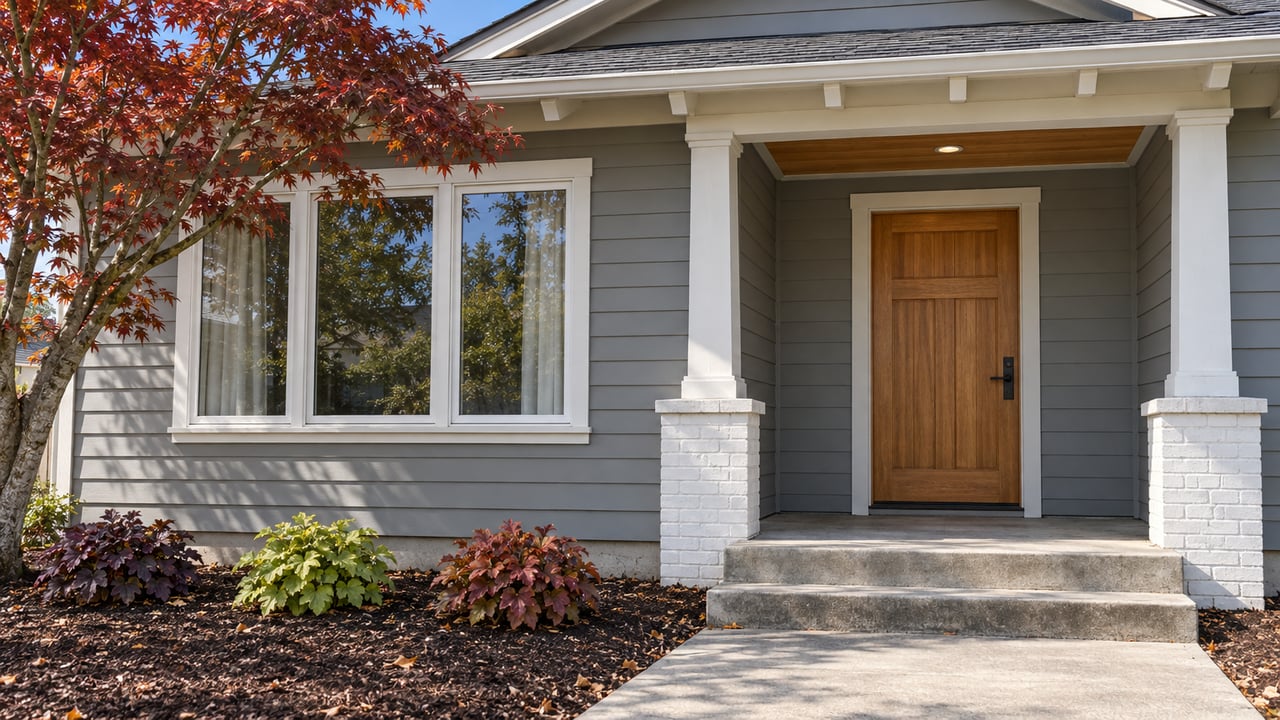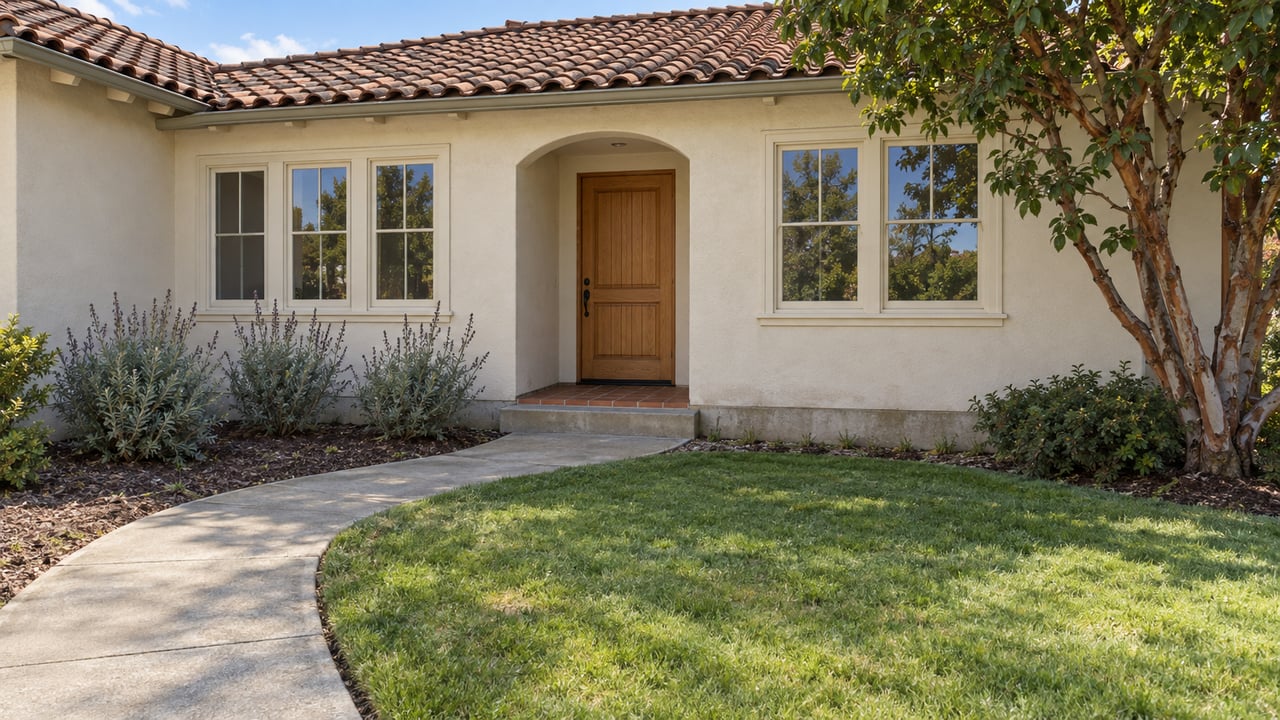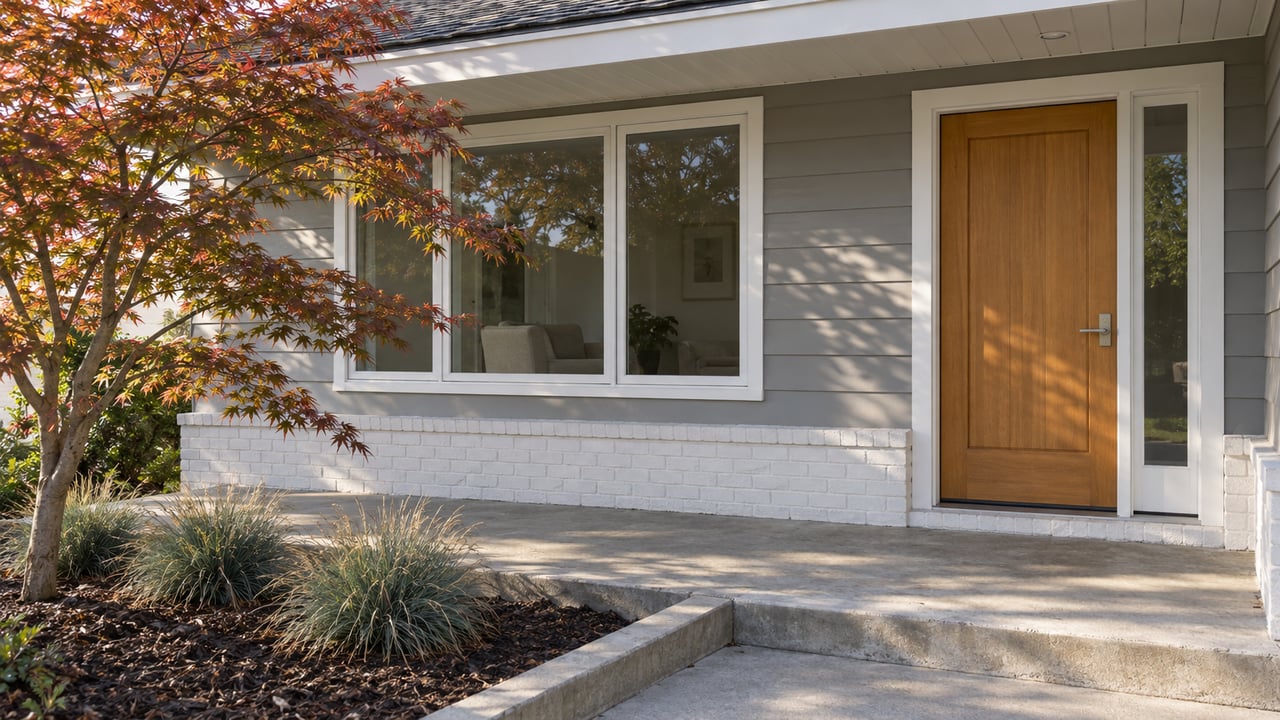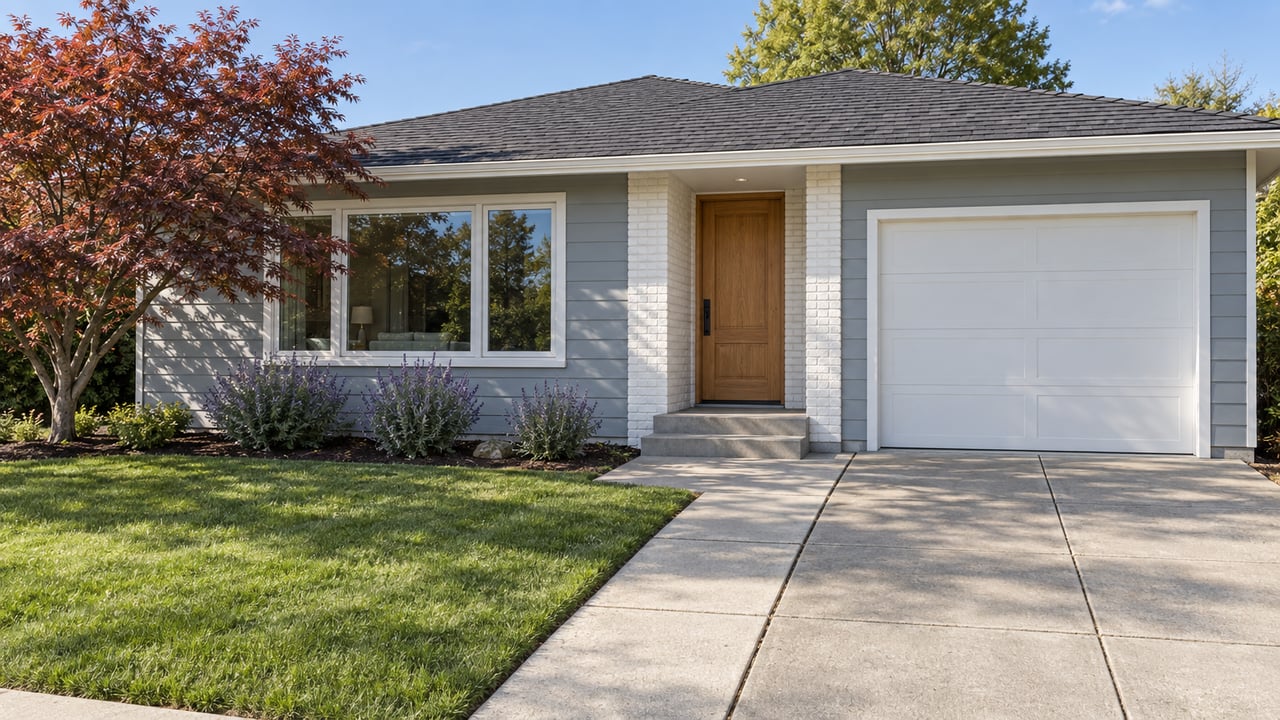
"This is going to change property values, the nature of the neighborhood and how it's laid out currently," Sam Herzberg told the San Mateo Daily Journal. "We're one of the oldest neighborhoods in the city."
Herzberg is co-president of the Greater East San Carlos board. The Daily Journal reported that under state law, a home in the neighborhood could now become a 75-foot multifamily building. Since July 1, 2026, any single-family-zoned property east of Old County Road, mostly between Springfield Drive and Hall Street, can be proposed as the site of a six- or seven-story building with more than a dozen units.
So far, nobody has proposed one. According to the latest count I can find, San Carlos had not received any SB 79 proposals as of July 31, per an email from city planner Rucha Dande reported by SFGate. I haven't seen a later filing reported. The quiet isn't a loophole and it isn't a delay in paperwork. It comes from the statute's own rules running into what a lot in San Carlos costs.
The downtown exemption left the east side as the place where the law applies
In March, the City Council used an option in SB 79 to exempt downtown zoning districts that already allow at least half the density the bill calls for. Laurel Street, for example, is already zoned for up to four stories or 50 feet. The state housing department reviewed that ordinance, Ordinance 1634, which added Chapter 18.25A to the zoning code. In a June 19, 2026 letter, the department found it in substantial compliance. The excluded districts are MU-DC-100, the Mixed Use Downtown Core, MU-SC-120 and RM-100.
None of the east side's single-family districts are on that list. Planning Manager Lisa Porras told the San Mateo Daily Journal that the downtown exemption lasts until about 2032, or until the city adopts an Alternative Transit Oriented Development Plan that keeps the same total housing capacity within the quarter mile but shifts it around. City staff described the exemption as preserving the city's character. They also said the biggest effect will likely fall on the single-family neighborhoods on the east side.
That alternative plan won't return the east side to what it was. The city can move density around within the quarter mile, but it can't cut any site by more than half of what SB 79 allows. For a single-family lot, the lowest it could go is 60 units per acre, or at least seven units on a typical 5,000-square-foot lot. Even that reduction only happens if the housing capacity is added somewhere else in the city.
What the statute actually asks of a single lot
SB 79 clearly covers single-family zones. It makes qualifying housing an allowed use on residential sites, including sites in single-family zones. The legal question is settled. The practical question is what a project on one East San Carlos lot would have to look like. The bill text answers that in a few steps.
- The ceiling is generous. Within a quarter mile of a Tier 1 station, the city can't hold height below 75 feet, density below 120 units per acre, or residential floor area below a 3.5 ratio.
- The floor is what matters. A project needs at least five units and has to meet the greater of 30 units per acre or the local minimum density. On a 5,000-square-foot lot, 30 units per acre works out to about three and a half homes, so the five-unit minimum is the rule that actually applies. At the 120-unit ceiling, the same lot tops out around 13.
- Units have to stay modest. Average unit size is capped at 1,750 net habitable square feet. A developer can't put three large houses on one lot and call it SB 79.
- Eleven units changes the deal. Projects with more than 10 units must set aside at least 7 percent of units for extremely low-income households, 10 percent for very low-income or 13 percent for lower-income. Projects of 10 or fewer are exempt from that state requirement, though stricter local inclusionary rules still apply.
- Demolition carries obligations. State law requires at least one-for-one replacement whenever a home is demolished, with stronger protections for "protected units" such as rent-restricted housing or homes recently rented to lower-income households.
- There's no automatic fast track. SB 79 doesn't make approval ministerial by itself. A project uses SB 35 or SB 423 streamlining if it separately qualifies. Otherwise it goes through the city's normal review under the Housing Accountability Act.
Taken together, these rules point to a narrow sweet spot on a single lot: five to 10 units, kept under the affordability threshold, with units small enough to meet the size cap. It's a specific building type, and it only works if the land underneath is cheap enough.
The land underneath isn't cheap
In August 2026, San Carlos single-family homes sold for a median of $2.5 million, or $1,445 per square foot, across 29 sales, according to the San Mateo County Association of Realtors. Homes sold for 108 percent of list price on average, and the city had 0.8 months of inventory. In July 2026, the median was $2,702,500 across 22 sales. These figures are citywide and cover houses and land together. Still, they set the price a developer has to beat to buy a lot from a homeowner who could simply sell to a family.
The construction side has its own problems. UC Berkeley's Terner Center found in its December 2023 update that its five-over-one midrise prototype wasn't financially viable under then-current costs, rents and financing, and developers reported near-zero residual land values in some markets. A San Francisco planning study, using feasibility assumptions from 2017 through 2019, priced a five-story rental at about $478,000 per unit in hard costs, soft costs and impact fees, before land.
Those costs predate today's prices, so treat them as direction, not a quote from a builder. As a rough illustration, five units at the older San Francisco figure come to about $2.4 million before land. Add a lot bought at roughly the August median and a developer is near $5 million, or close to $1 million per unit, before any profit. Under the same study's own test, both of its five-story cases already failed without San Carlos land prices. In short, the zoning allows a project on almost every eligible lot, but the numbers work on very few of them.
Where the Peninsula's early filings actually landed
The filings elsewhere on the Peninsula show which projects do pencil, and they back up the math above.
| Project | What it replaces | What's proposed |
|---|---|---|
| 606 S. Delaware St., San Mateo | An owner-occupied single-family home, about 0.4 miles from Caltrain | Five stories, 20 rental studios, zero parking spaces |
| 340 Palo Alto Ave., Palo Alto | An R-1 single-family property, marketed at $6.3 million | Six units, about 17,545 square feet |
| Glenwood Avenue, Atherton | A single-family home on a one-acre lot | 30 townhomes, six of them affordable |
Each of these takes one of three routes around the land-cost problem. The San Mateo project spreads the cost over 20 small studios and builds no parking, and the owner pointed to a nearby public garage with more than 500 spaces. The Palo Alto R-1 project sits at six units, inside the five-to-10 range that avoids the state affordability set-aside. Atherton's starts with a full acre, far more land than a typical East San Carlos lot.
Timing mattered too. Palo Alto's nine pre-applications, totaling 341 units, came in during a gap between SB 79 taking effect on July 1 and the city's own temporary ordinance taking effect on July 16. Most were on commercial, office, motel or multifamily sites. Only one was on R-1 land. San Carlos had its ordinance to the state by March 24, so no window like that opened downtown here. On the east side, the law has applied in full since July 1, and the lot math has been enough on its own to keep things quiet.
What this means if you're weighing a house near the station
The upzoning only takes effect when a property owner proposes a new development, so any change will play out over many years. For a buyer, the useful question isn't whether a block is inside the quarter mile. It's which nearby lots fit what has actually been filed so far: a house whose owner might sell to a developer rather than a family, enough land for five to 10 compact units, or a site large enough to make a bigger rental building work.
Pin down the boundary carefully. The quarter mile is measured from the nearest edge of the project parcel to a pedestrian access point at the station, not from the center of a house. Sites within 200 feet of a station access point get an extra 20 feet of height, 40 more units per acre and one more point of floor area ratio. State law also says the regional MTC SB 79 map carries a rebuttable presumption of validity, and the city's map is expected to be at least as inclusive once the regional map is available. When I evaluate an address near the line, I check both maps.
People disagree about how much this will matter. Councilmember John Dugan called SB 79 "pretty much an insult to all the good planning we've done here." Herzberg has pointed out that San Carlos's downtown and northeast-area plans already show the city can plan for density deliberately. Both views can hold at once. The law changed what is allowed on the east side, and the economics still control how much of it gets built.
Quick answers
Does SB 79 change anything about a house I already own near the station? Nothing happens unless an owner proposes a project. The law changes what a developer is allowed to build on a lot. It doesn't change how an existing home can be used.
Will downtown San Carlos see seven-story buildings under SB 79? Not for now. The excluded downtown districts stay under local zoning until about 2032 or until the alternative plan is adopted.
Do the stricter labor rules apply to a seven-story building? SB 79's heightened labor standards apply to buildings taller than 85 feet, so a 75-foot project stays below that threshold.
If you own a home east of Old County Road, or you're looking at one, I'll go through your specific parcel with you. That means where it falls on the quarter-mile map, how it compares with the lots that have drawn filings elsewhere on the Peninsula, and what that means for pricing and disclosure when you sell. Call Bob at Bob Bredel.
This article is general information, not legal, tax or financial advice. Consult a qualified professional about your situation.